Ai Weiwei’s Obsidian: for Collectors who Are Not Afraid of the Dark
|
|
In Darkness, We See Ourselves.
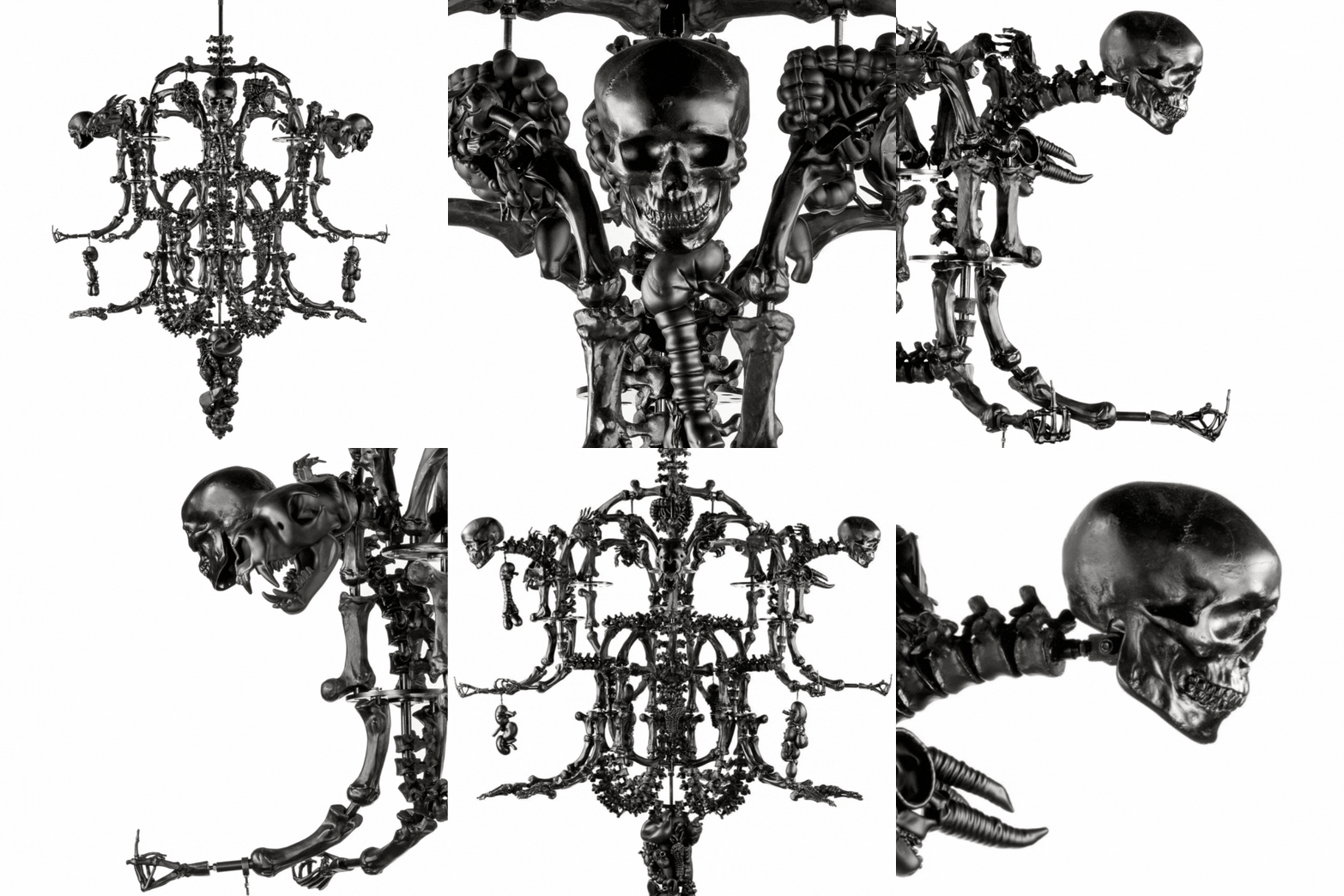
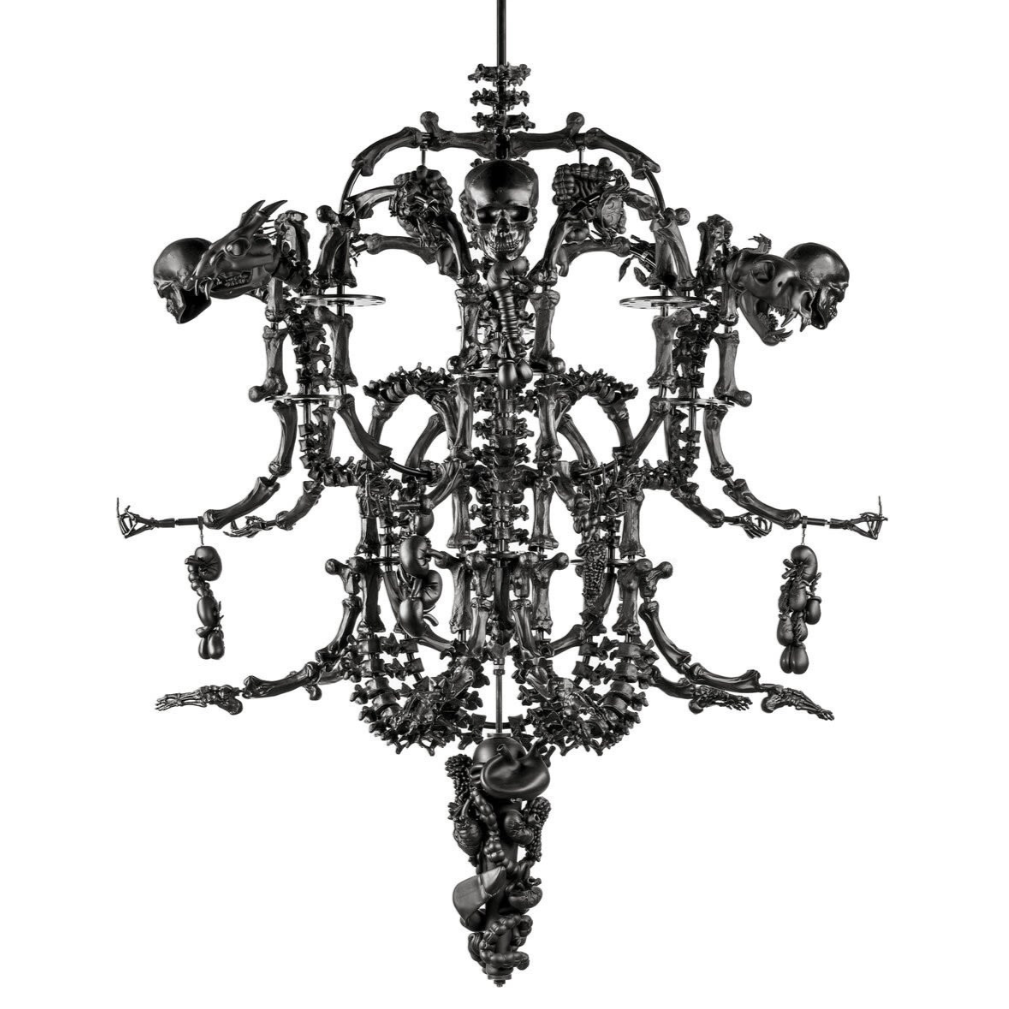
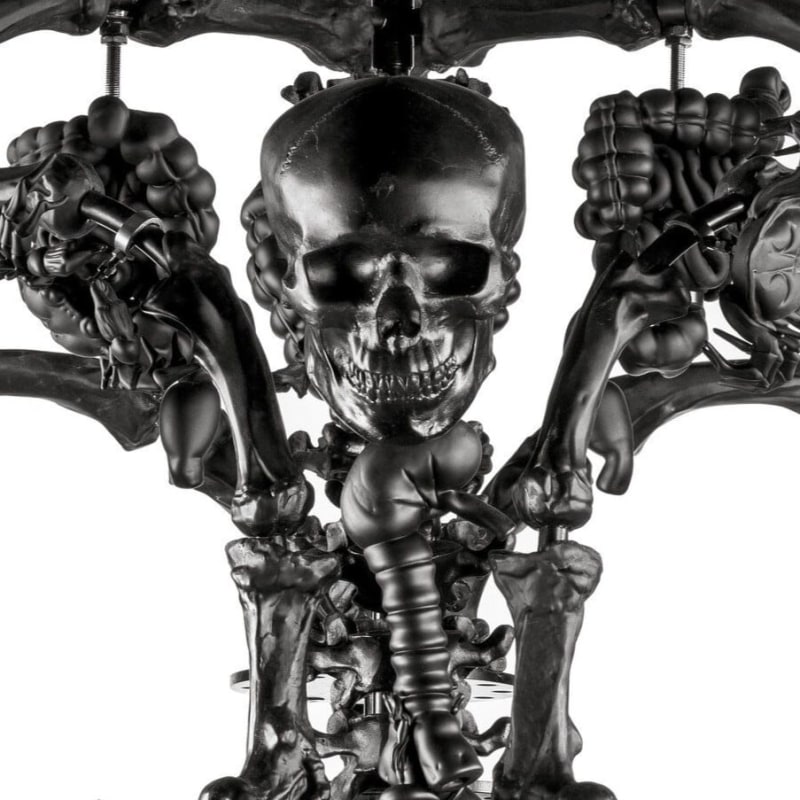
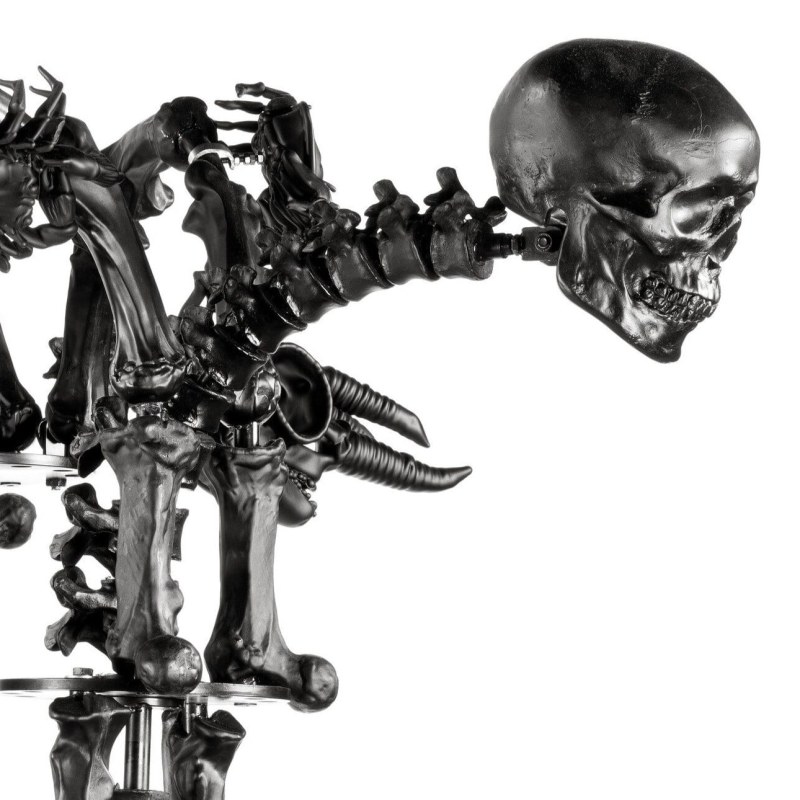
At the raw intersection of beauty and provocation, where art confronts the weight of existence, stand Ai Weiwei’s (b. 1957) Obsidian I (2021) and Obsidian II (2021). At once quiet and commanding, these works draw the viewer inward: not toward vanity, but toward memory, loss, and the fragile thread that binds us to being. Through a contemporary and irreverent reimagining of the memento mori, they become an invitation to face what we fear, and through that confrontation, rediscover what it means to be alive. |
|
|
These editions are not lighthearted. Ai Weiwei, renowned for his fearless engagement with political, social and existential themes, here turns his attention to something both elemental and intimate: darkness, mortality, transience.
Created using an innovative printing technique integrating black-pigmented ink, these works achieve what arguably stands among the deepest, most intense black ever realised in his studio. |
|
|
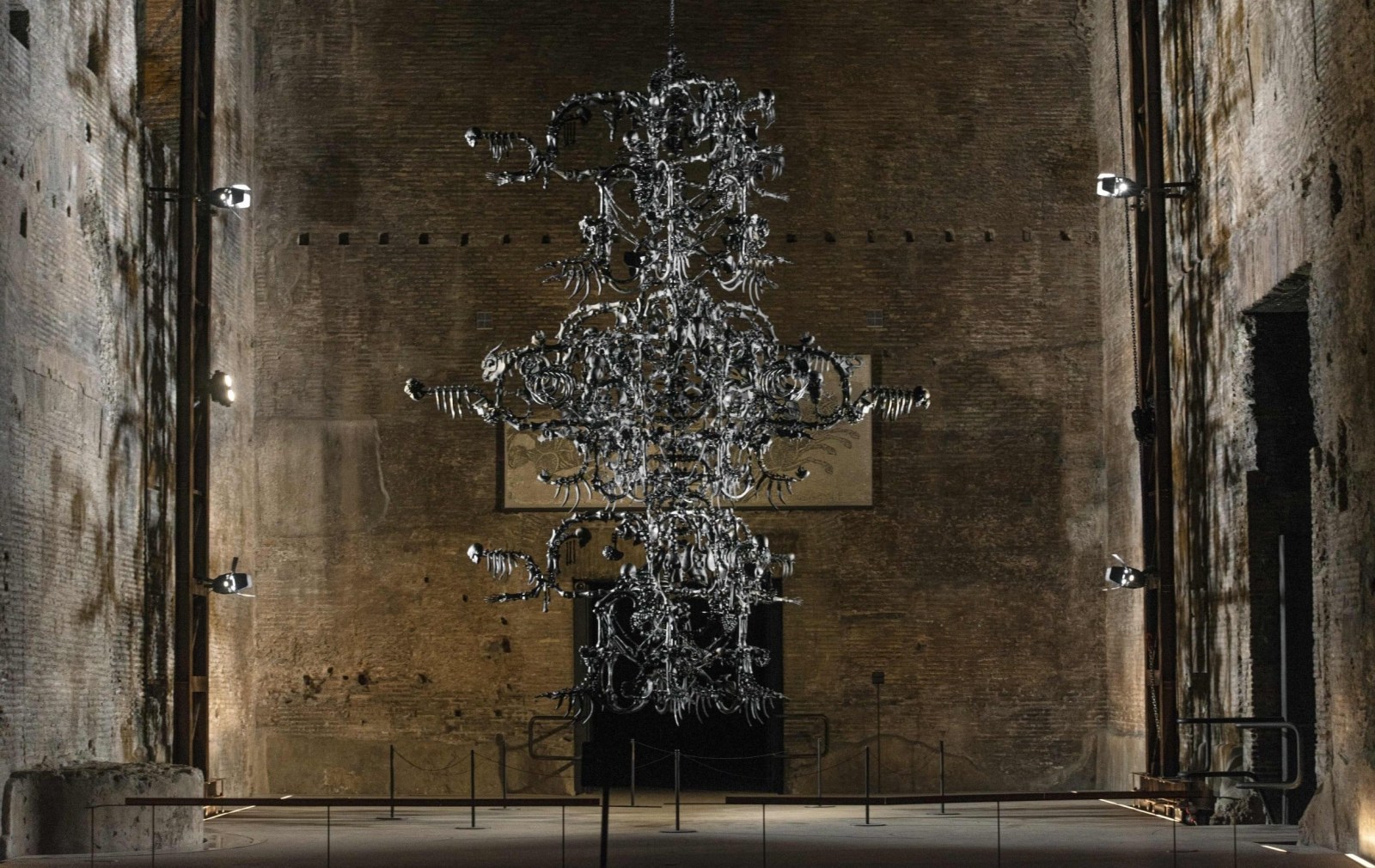
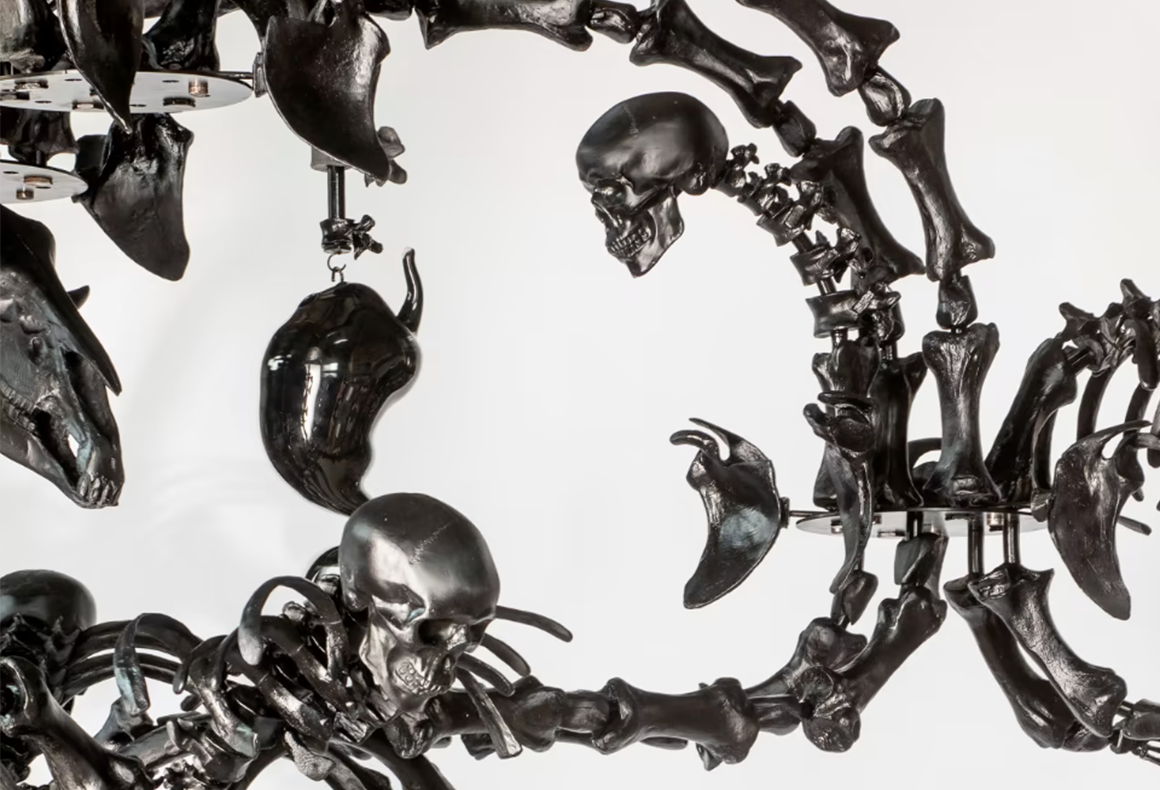
To understand Obsidian (2021) is to trace its lineage to Ai Weiwei’s monumental installation La Commedia Umana (2017–2021). Suspended within the Terme di Diocleziano in Rome (2022) and later the Abbey of San Giorgio Maggiore in Venice (2022), this vast black Murano-glass chandelier - over 2,000 hand-crafted bones, skulls, organs, and surveillance cameras - hung like a spectral relic between past and present. It confronted visitors with an unsettling truth: death, decay, and darkness are woven into the very fabric of the human story.
The Obsidian prints (2021) distil that encounter, transforming the immense into the intimate: the echo of a cathedral brought within reach of the hand and the wall.
|
|
|
Terme di Diocleziano, 2022
|
|
|
For Ai Weiwei, glass is never just a material. It is, in his words, “a material that bears witness to joy, anxiety, and worry in our reality.” In La Commedia Umana (2017–2021), Murano glass - fragile yet enduring - becomes an altar to mortality. Chandeliers turn to ossuaries; light gives way to shadow. Here, darkness is not an absence but a presence: an invitation to awareness.
The title La Commedia Umana (“The Human Comedy”) carries a bitter irony. From Balzac’s worldly chronicles to Dante’s descent into hell, it reminds us that tragedy and absurdity share the same stage. Ai Weiwei’s version holds a mirror to that stage , one made of glass and bone, and asks what role we play in our own undoing. |
|
|
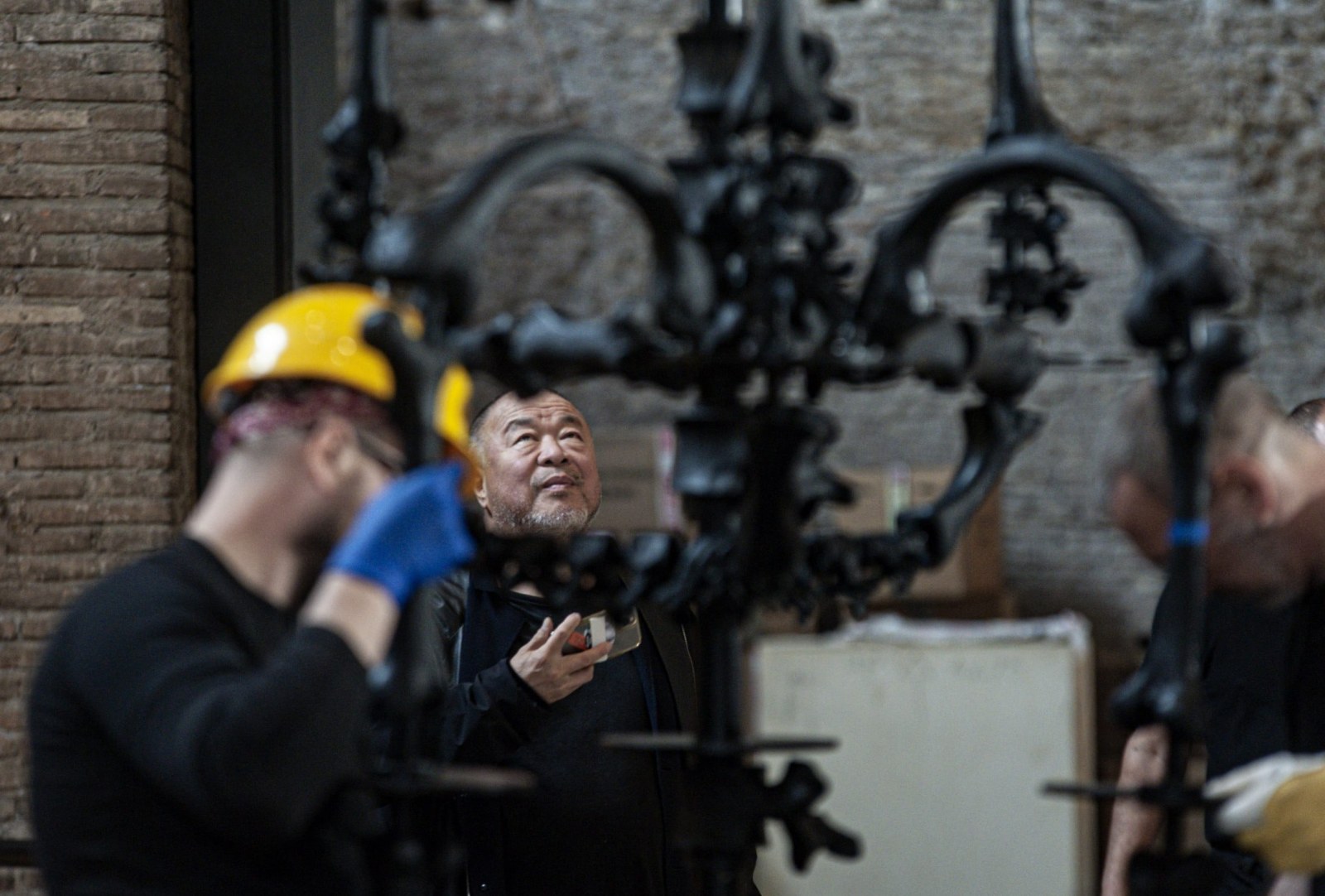
Ai Weiwei oversees the installation of La Commedia Umana at the Terme di Diocleziano, Rome. © Daniele Peruzzi / Courtesy Berengo Studio |
|
|
Though born of the memento mori tradition, these works resist despair. As Ai Weiwei himself says, “I attempt to talk about death in order to celebrate life.” Both the monumental installation La Commedia Umana (2017 - 2021) and the Obsidian editions (2021) capture that paradox: the beauty of fragility, the dignity of awareness, and the illusion of the surface. In their silence, they remind us that to face the dark is not to surrender, but to awaken.
|
|
|
|
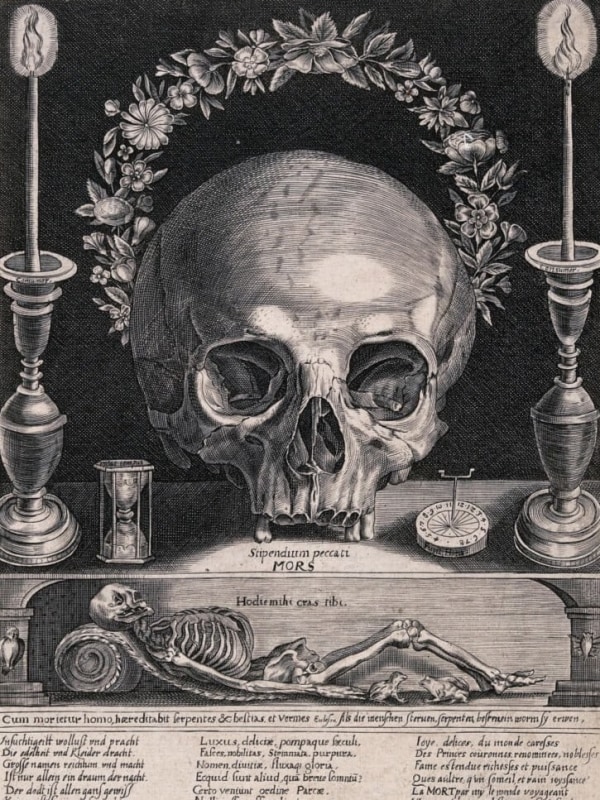
Memento Mori
Engraving attributed to G. Altzenbach, Wellcome Collection.
|
|
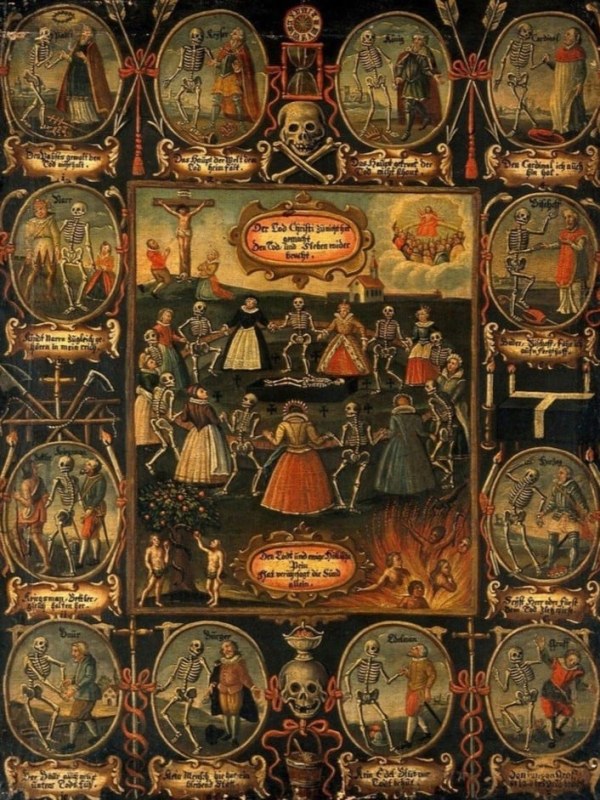
The Dance of Death
Unknown German painter, Wellcome Collection.
|
|
|
The Mirror, Black as Night |
|
Obsidian I and Obsidian II (2021) offer more than a surface - they offer story. Dark, deliberate, and charged with meaning, these works speak to those who find beauty in depth and who wish their collections to speak of both life and its limit.
|
|
|
In the end, the human comedy plays on. The lights fade, the bones return to dust, and yet, in the reflection that remains, we see ourselves more clearly. Ai Weiwei simply holds up the mirror, black as night, and invites us to look.
If these works resonate with you - if you find beauty in their tension between fragility and endurance - we invite you to take a closer look.
Only one edition of Obsidian I and one of Obsidian II are currently available. Reply to this email to enquire, or schedule a call with us to learn more about these pieces. |
|
|
Follow us on Social Media |
|
|
|