Launching Jeff Koons' Lobster (2025):
A Playful Icon - Reborn! |
|
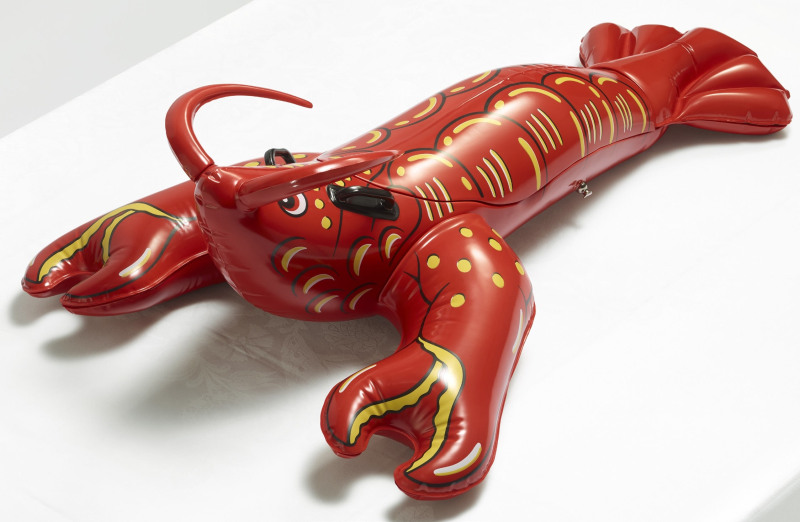
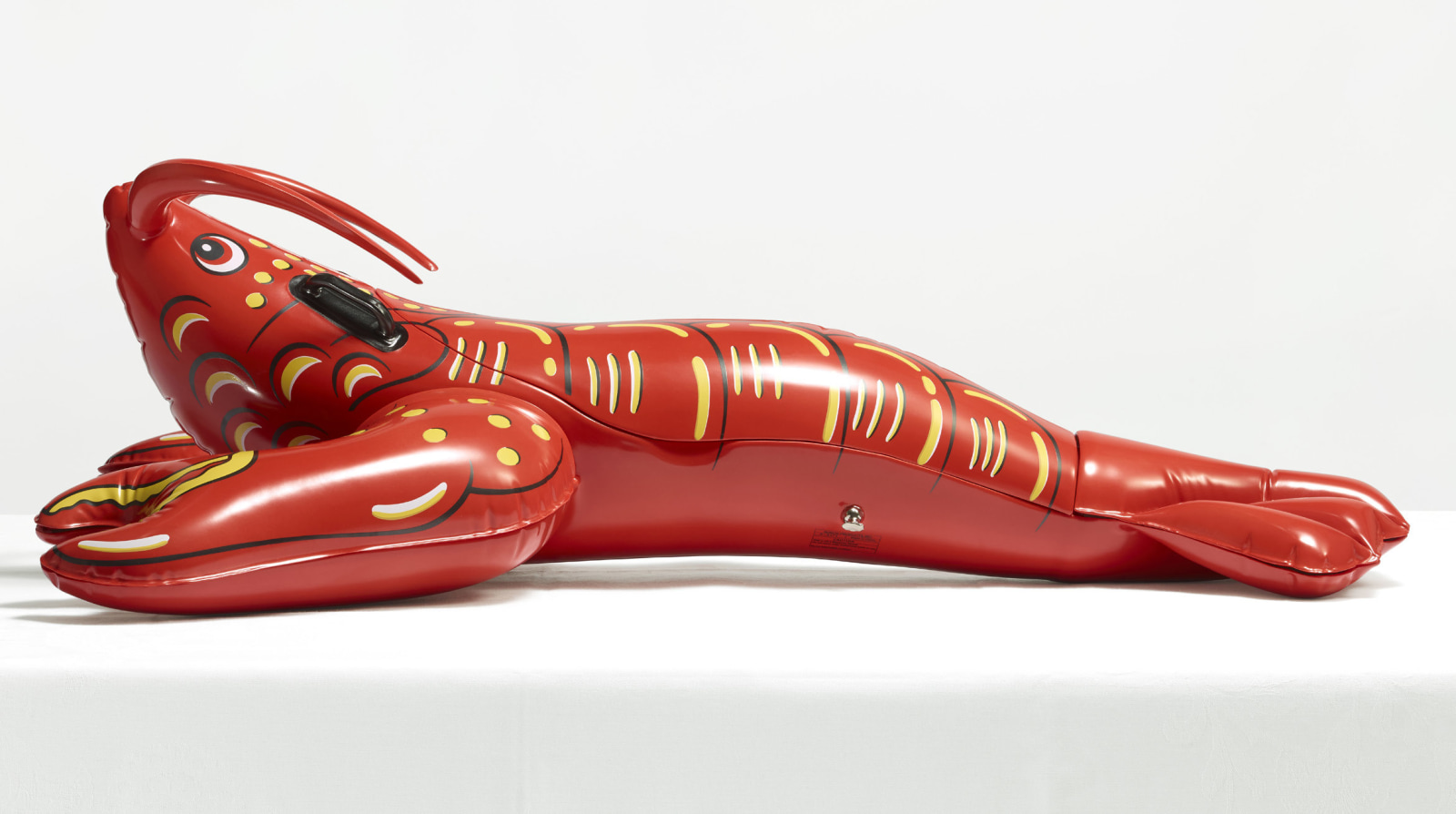
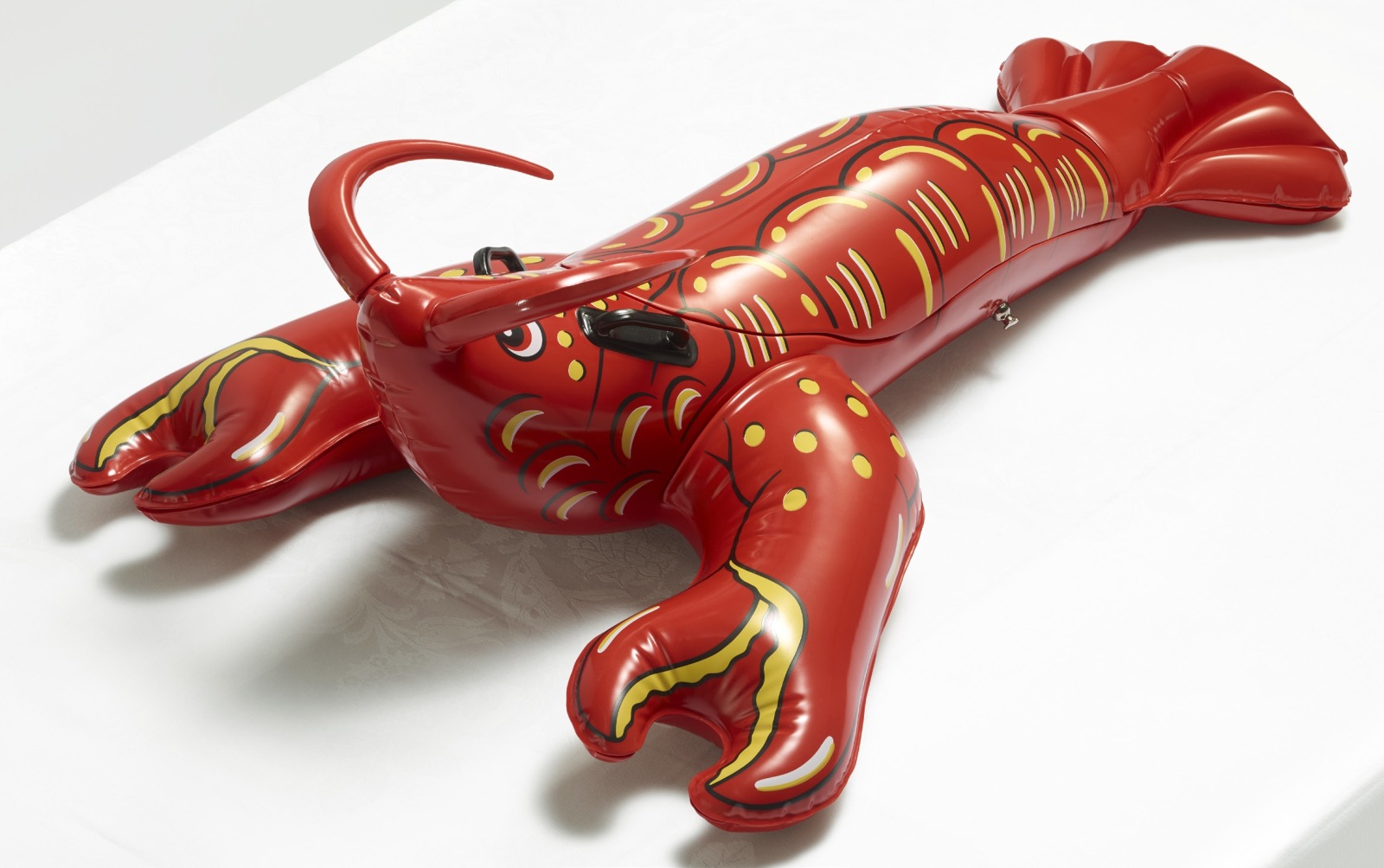
Bright, buoyant, irresistibly ambiguous: few symbols capture Jeff Koons’ world as vividly as the lobster. Reimagined for 2025 as a meticulously hand-finished porcelain centerpiece, Lobster brings new vitality to one of the artist’s most recognizable and playful motifs.
Each piece requires up to two months of dedicated craftsmanship to complete, with only 20 to 25 works released each year. The result is a creation of exceptional precision and refinement, representing Koons’ most technically sophisticated work in porcelain to date.
For the first time, each piece will be accompanied by a certificate of authenticity personally hand-signed by Jeff Koons.
Produced in a strictly limited edition of just 99 pieces, Lobster (2025) is now available exclusively at Weng Contemporary, priced at €85,000 / $95,000.
Only 5 pieces are available for pre-sale.
|
|
|
Early collectors will be granted a private invitation to an exclusive event at MoMA New York on November 18th, 2025, in the presence of the artist. |
|
|
Tracing the Lobster: from Pop Inflatable to Porcelain Icon |
|
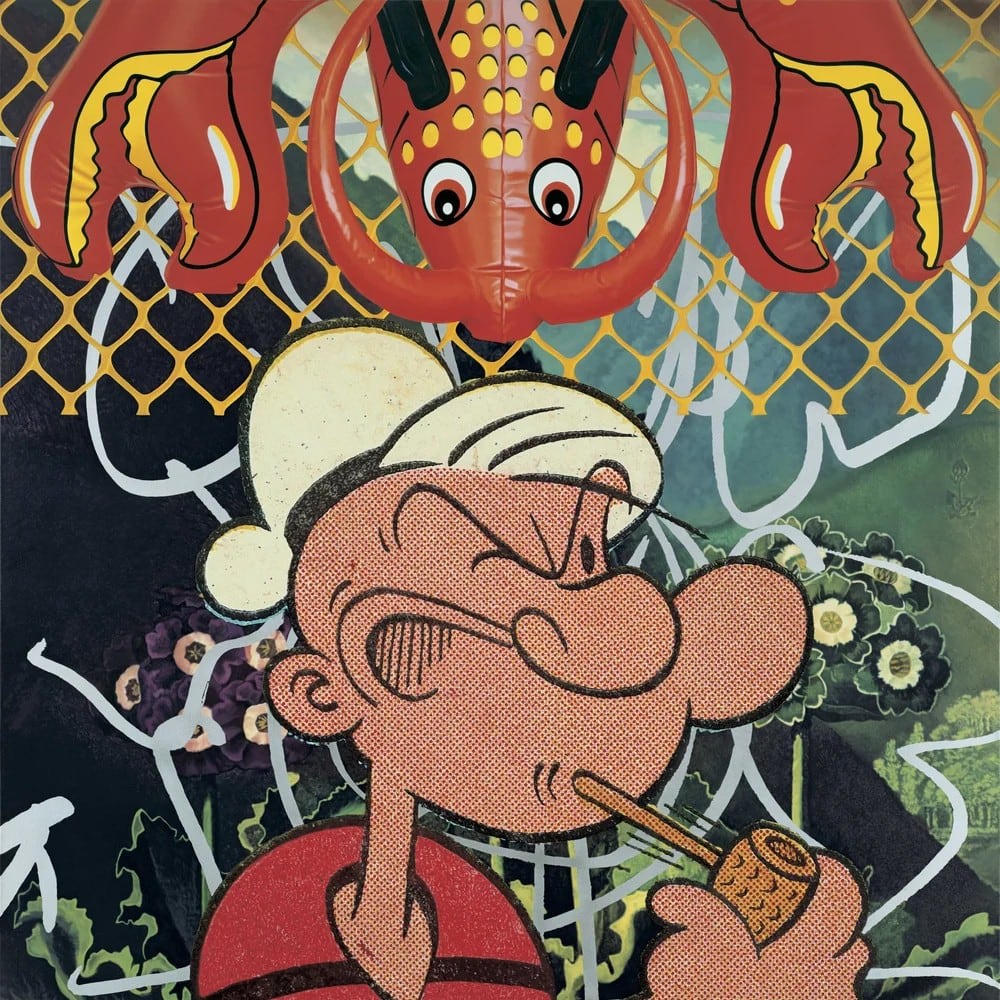
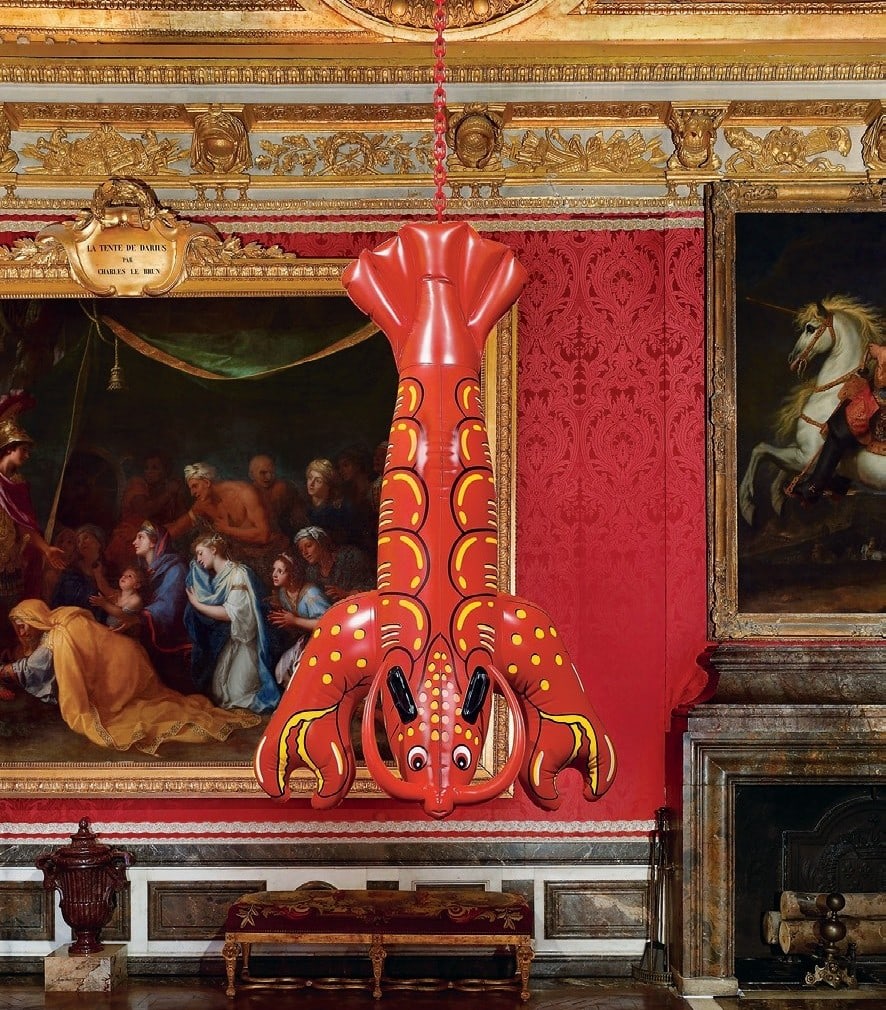
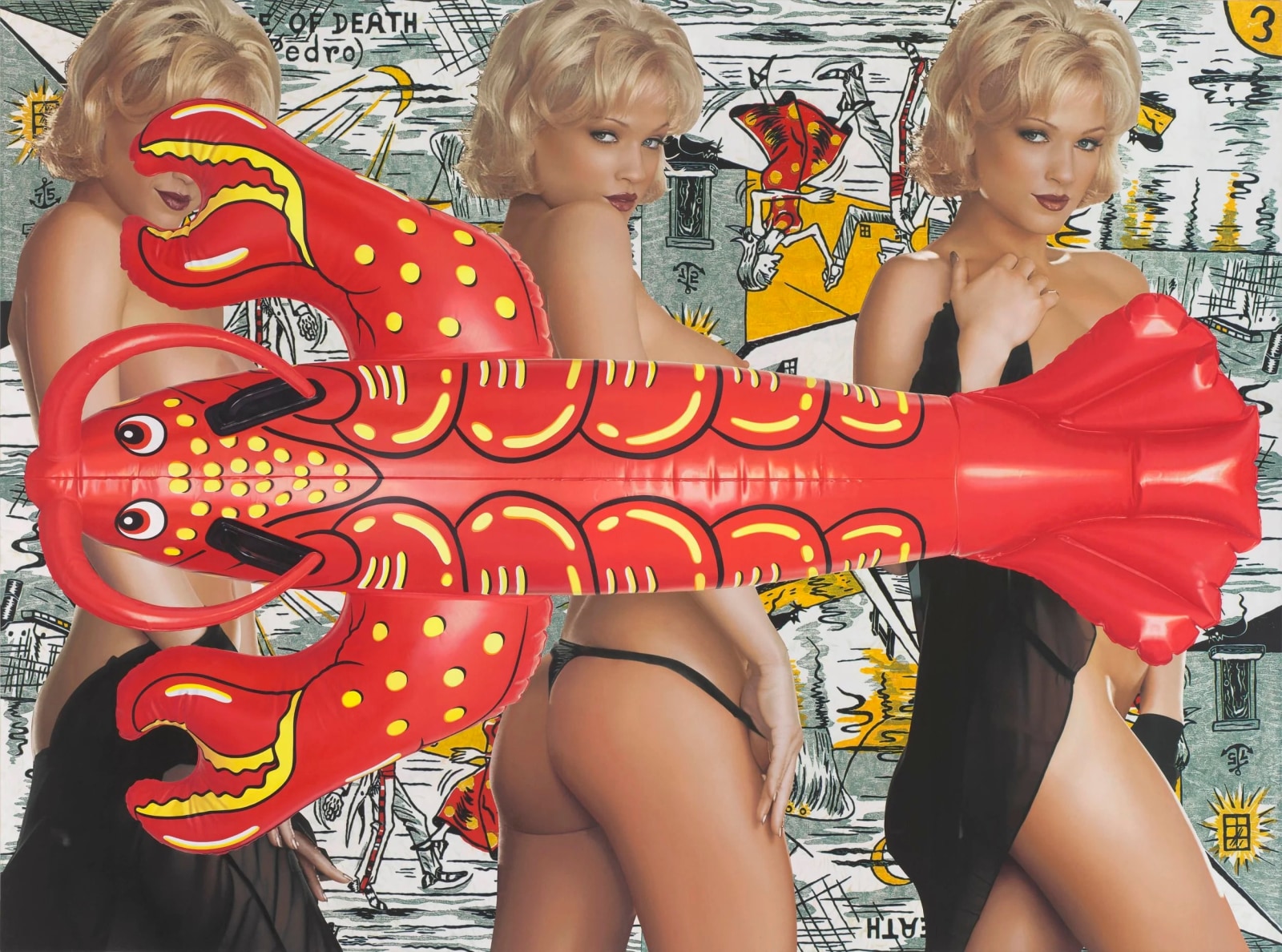
The lobster first appeared in Koons’ (b. 1955) celebrated Popeye series (2002–2013), where inflatable pool toys, mirrors of pop culture’s optimism and consumerism, coexist with references to classical beauty and erotic desire. Often rendered as a red, shiny inflatable, the motif recurs across paintings and sculptures, most iconically in Lobster (2003): a life-sized polychromed aluminum sculpture suspended from the ceiling, merging humor and seduction, and carrying an extraordinary layering of meanings.
Lobster (2003) reached new heights in 2008, when it hung in Koons’ monumental exhibition at the Château de Versailles. Set against Louis XIV’s sumptuous backdrop, it transformed into a dialogue between popular culture and aristocratic excess. |
|
|
From Dalí to Duchamp: Desire, the Unconscious, and the Ready-Made Reversed
|
|
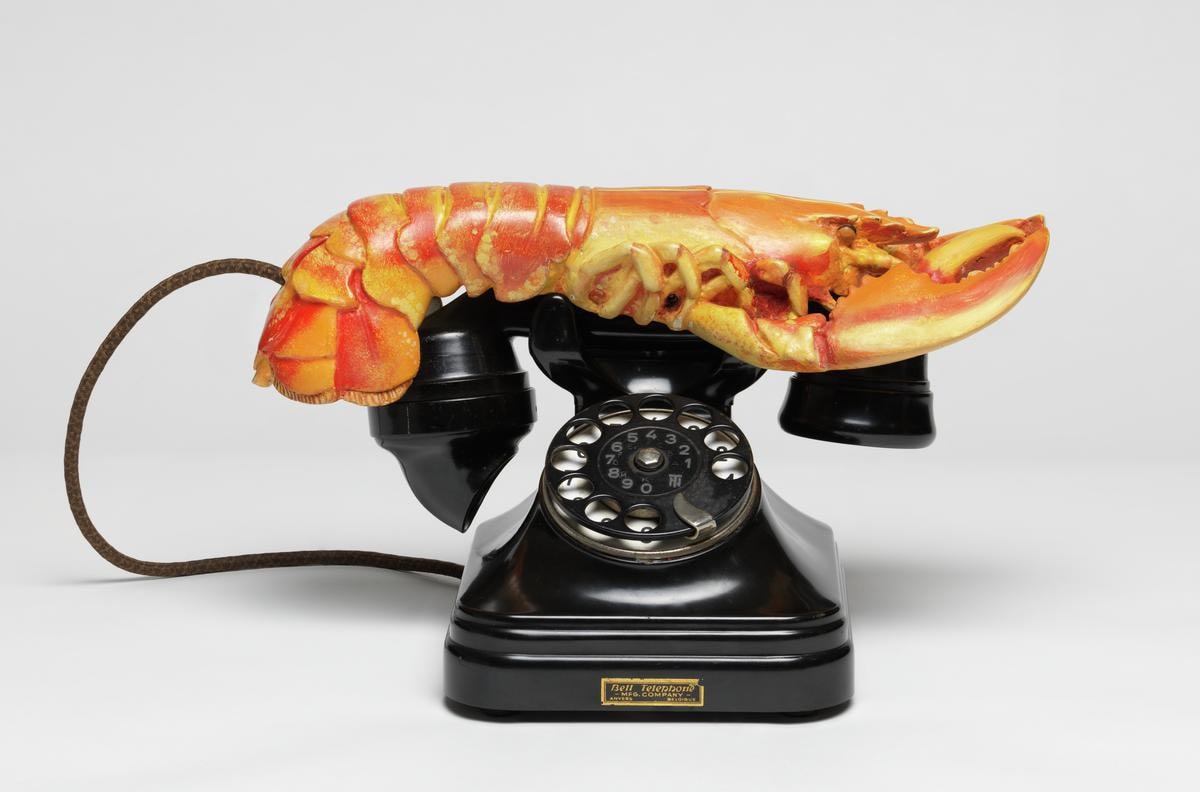
The lobster for Koons is not merely a whimsical toy; it is a rich palimpsest of art-historical references. It nods knowingly to Salvador Dalí’s (1904-1989) Lobster Telephone (1938), a surreal object charged with erotic symbolism. Dalí claimed that the lobster revealed the “secret desires of the unconscious.” Koons extends this legacy, using the lobster as an emblem of desire, fantasy, and seduction; central themes that run throughout his oeuvre, from Made in Heaven (1989-1991) to the Popeye series (2003-2013).
|
|
|
Equally central is Koons’ dialogue with Marcel Duchamp (1887-1968). The Lobster (2003) exhibited in Versailles deliberately echoed Duchamp’s In Advance of the Broken Arm (1915), a snow shovel suspended from the ceiling like a guillotine. Yet Koons performs a conceptual inversion: while Duchamp elevated an everyday object to the status of art, Koons creates an artwork that imitates an everyday object with exquisite precision. His Lobster (2003) looks like a plastic pool toy, yet it is an intricately crafted sculpture - now reborn in porcelain.
In this reversal of the ready-made, Koons transforms the banal into the extraordinary through illusion. He is not simply referencing Duchamp; he surpasses him; becoming the master of illusion, where the handmade masquerades as the mass-produced, and technical precision becomes poetry. |
|
|
Banality, Kitsch, and the Alchemy of the Everyday |
|
Koons’ lobsters belong squarely within his ongoing fascination with banality, kitsch, and consumerism. Like the inflatable toys of his Popeye series (2002-2013) or the gleaming Balloon Dogs from his Celebration series (1995-ongoing), it embodies his conviction that art can emerge from the most ordinary objects - that innocence and irony, childhood and eroticism, high and low all coexist within the same gleaming skin. In dialogue with Andy Warhol’s (1929-1987) Brillo Boxes (1964), Koons pushes further the collapse between art and commodity. Yet where Warhol multiplied the object, Koons perfects it. He invites us to look again: to question what is real, what is artifice, and why we desire what we desire.
|
|
|
With the new Lobster (2025), Koons reasserts the themes that have defined his career: desire, illusion, and the reconciliation of opposites. Placed horizontally as a table centerpiece, it becomes both an oversized trompe-l’œil and the epitome of a Grand Siècle meal. Its creation represents the most technically complex porcelain work ever produced by the artist, requiring over forty artisans and six weeks of meticulous craftsmanship.
|
|
|
As porcelain masquerades as plastic, luxury meets banality, and humor meets grandeur, Koons transforms the ordinary into the sublime: a dazzling meditation on art’s power to seduce, transform, and deceive.
Bring one of Jeff Koons’ most iconic symbols into your collection. |
|
|
Follow us on Social Media |
|
|
|