Embracing the Blue: Tracey Emin and the Art of Feeling |
|
The start of the new year brings with it the so-called “Blue Monday”, a name given to a day in January - typically the third Monday of the month - said to embody a sense of unavoidable gloom. It has come to symbolize winter fatigue, abandoned resolutions, and a deep longing for light. Yet what if we approached the blues not as something to resist, but as a companion on a path toward deeper self-understanding?
|
|
|
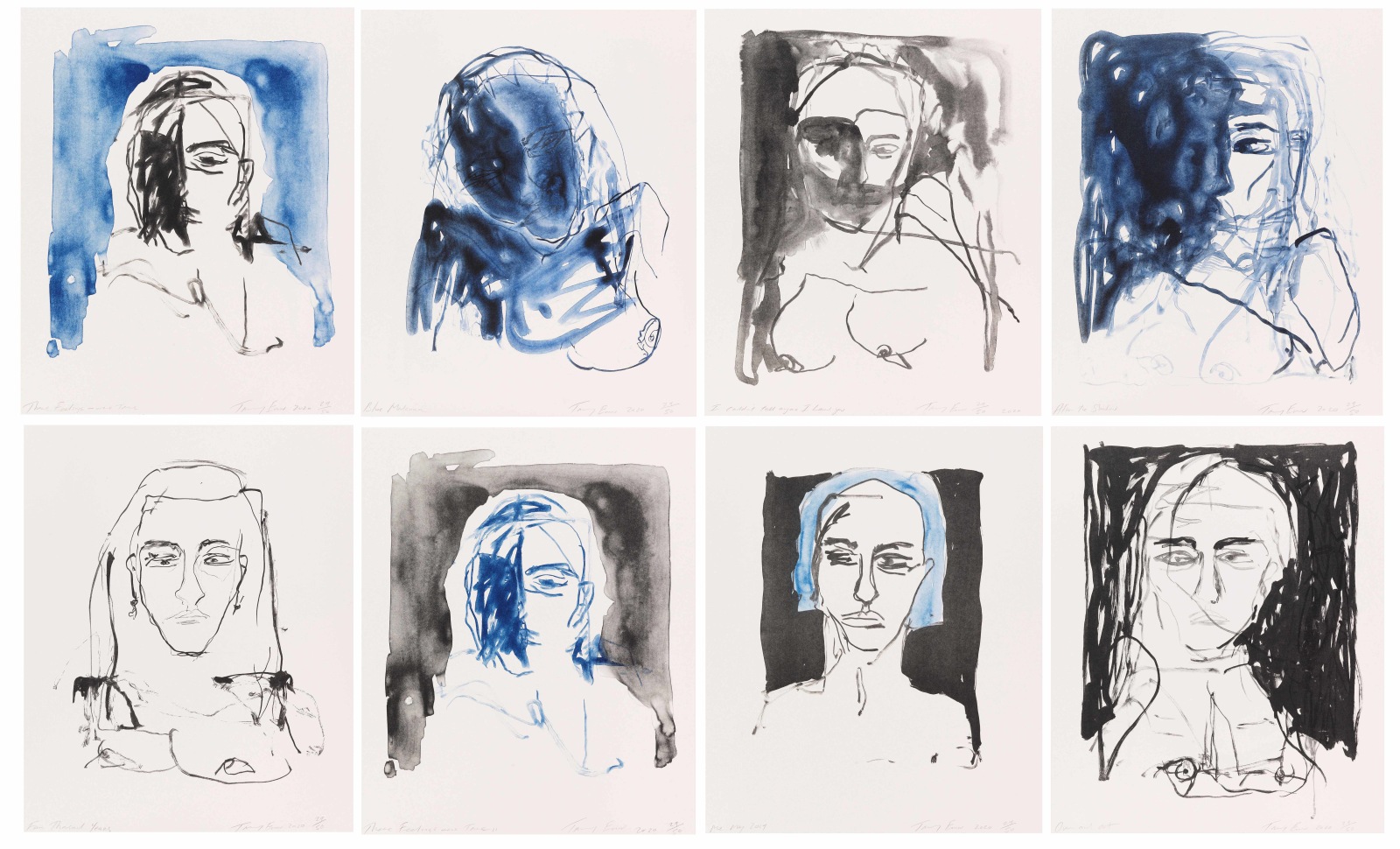
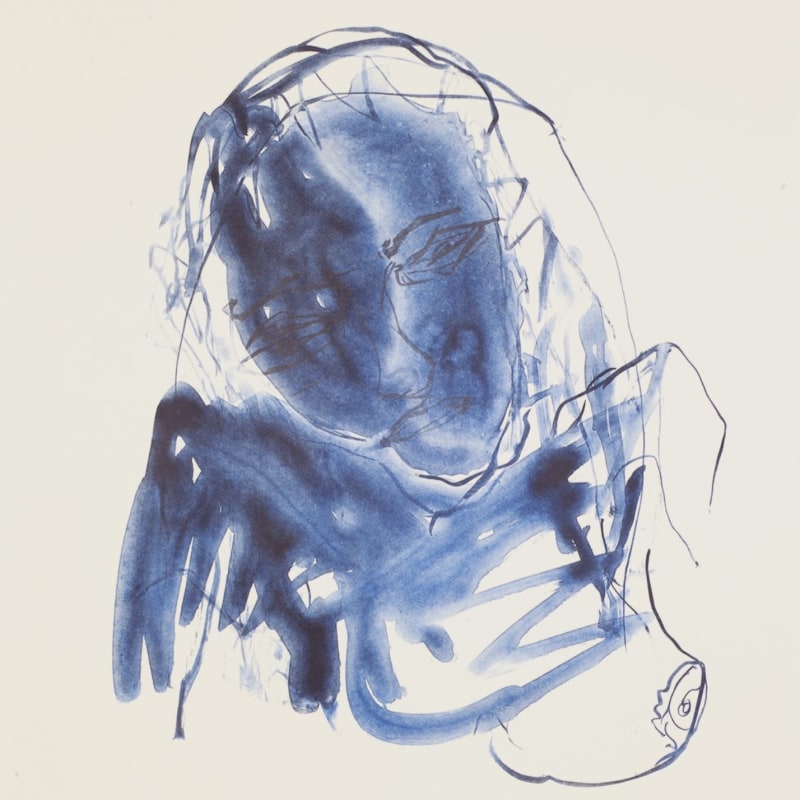
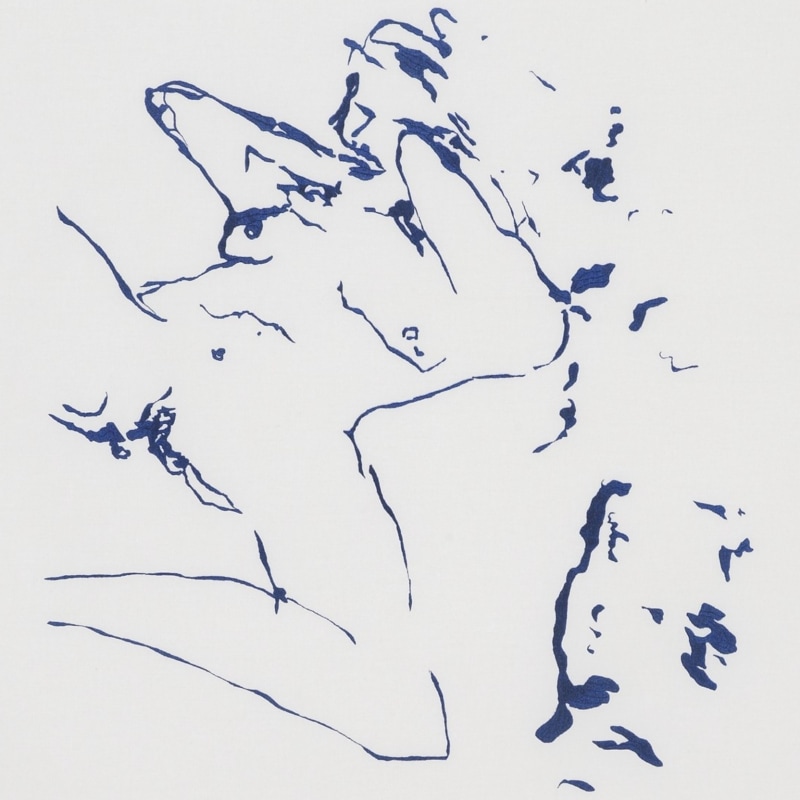
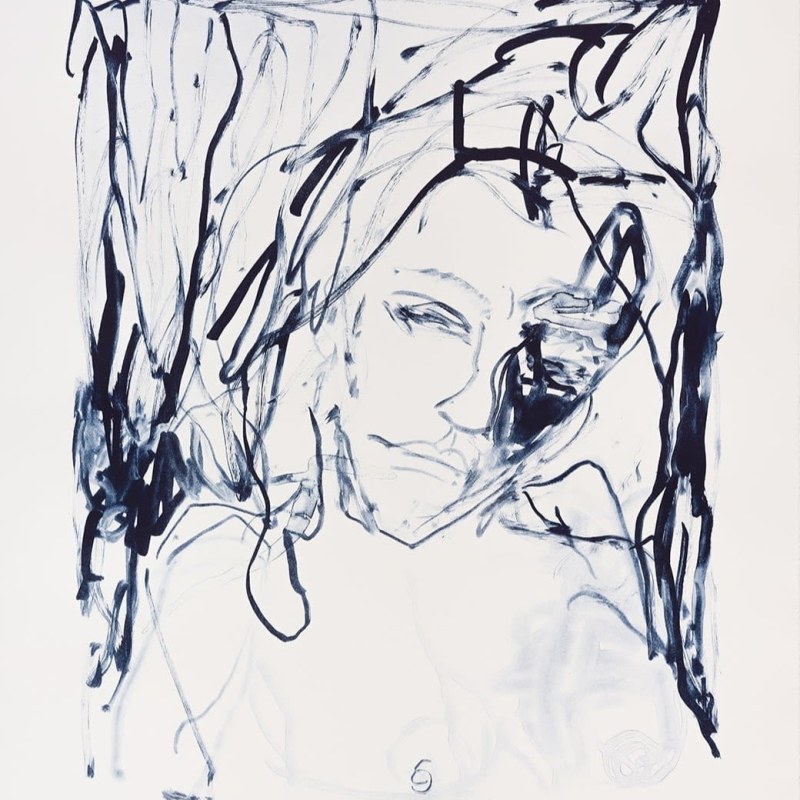
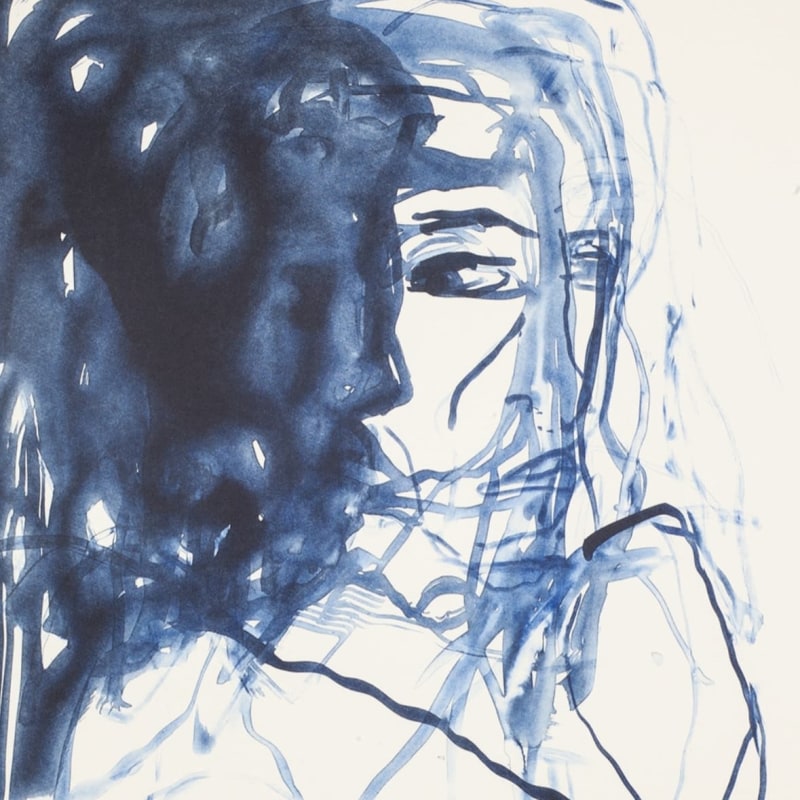
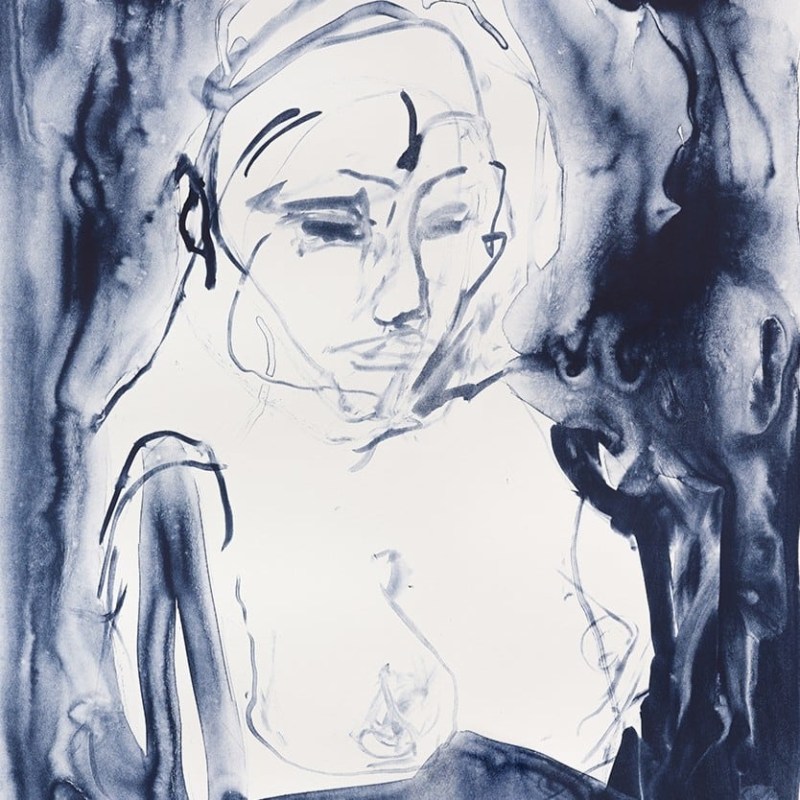
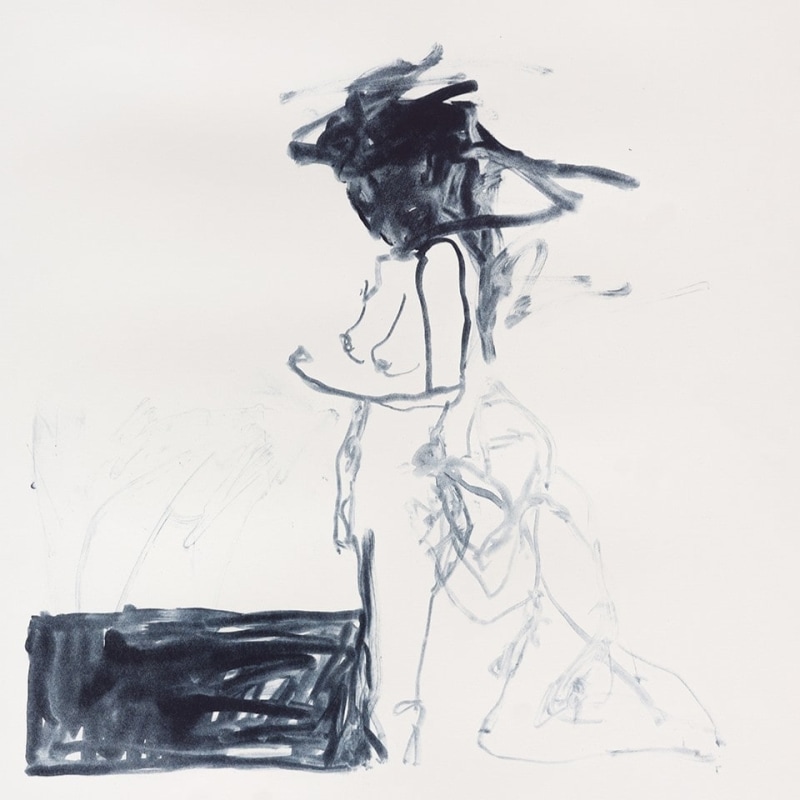
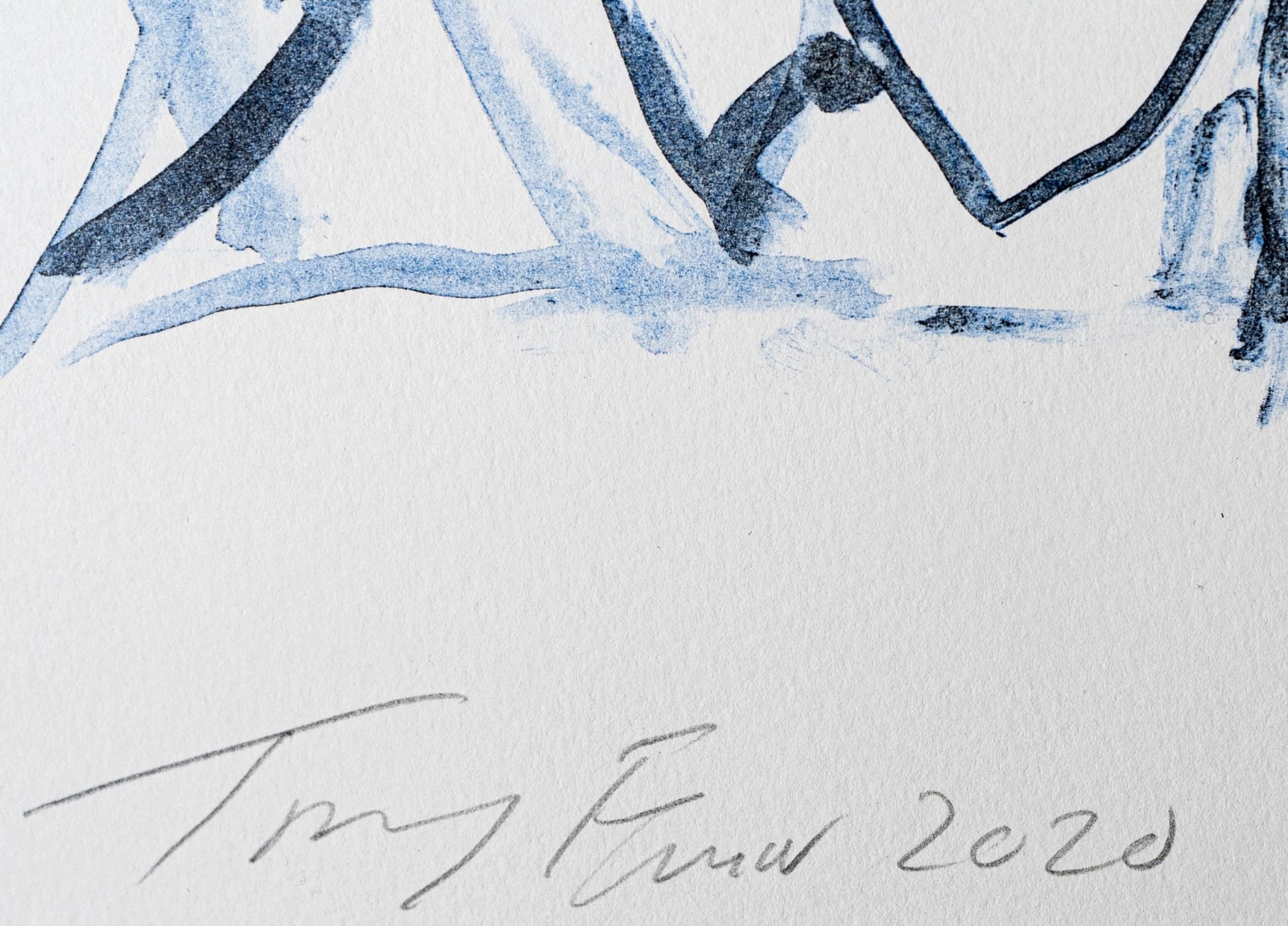
Tracey Emin (b. 1963) offers a radical meditation on this very idea through her intimate work. In the two portfolios These Feelings Were True (2020) and A Journey to Death (2021), each lithograph functions as an autobiographical glimpse, a fragment of an inner diary translated into intensely personal self-portraits. Raw, bittersweet, and unflinchingly honest, the works capture love, loss, longing, and the tender vulnerabilities of being human. Emin does not aestheticize sadness; she inhabits it, allowing emotion to remain unresolved, exposed, and profoundly human.
|
|
|
These Feelings Were True (Set of 8) |
|
|
Discover Tracey Emin's work: |
|
|
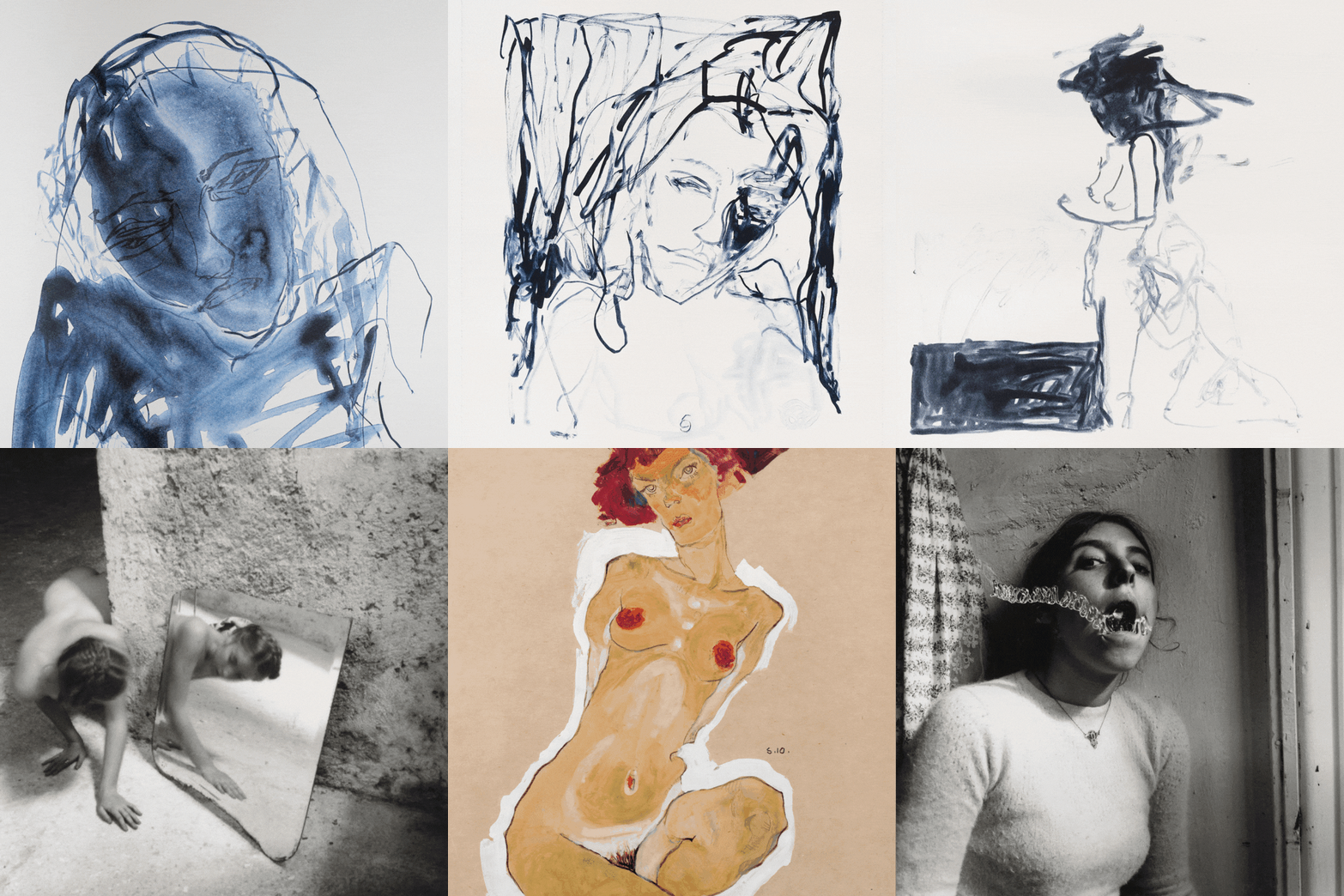
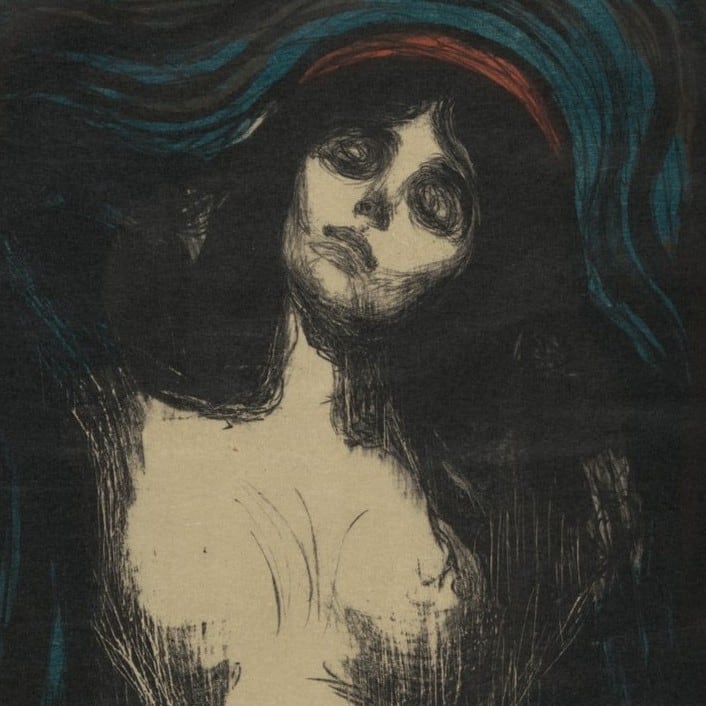
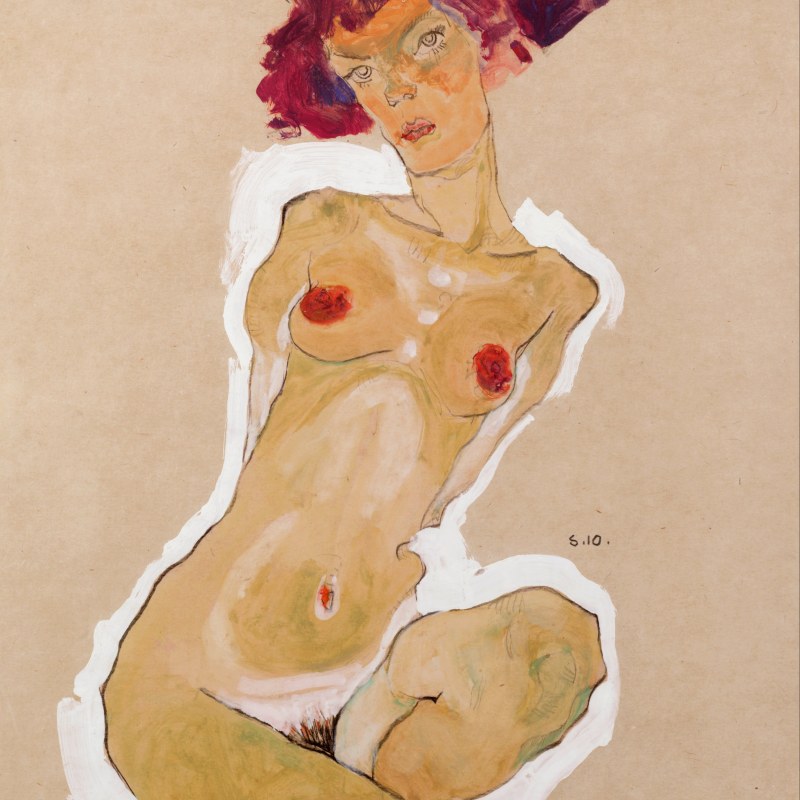
Emin’s focus on the self recalls the confessional power of Expressionist painting. She has long cited Edvard Munch (1863 - 1944) and Egon Schiele (1890 - 1918) as formative influences, both for their daring emotional exposure and their expressive handling of the human figure. Like them, Emin uses figuration as a conduit for inner life, transforming private experience into something shared. By making herself the subject, she also situates her work within a longer art-historical lineage of female self-representation, one that reclaims the nude and the self-portrait as sites of agency rather than objectification. |
|
|
|
Egon Schiele
Squatting Female Nude
|
|
Tracey Emin
The Beginning of Me
|
|
|
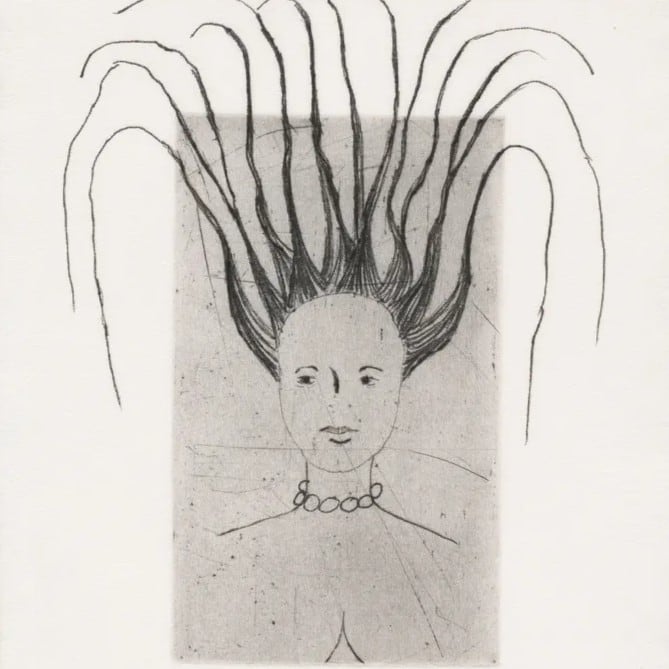
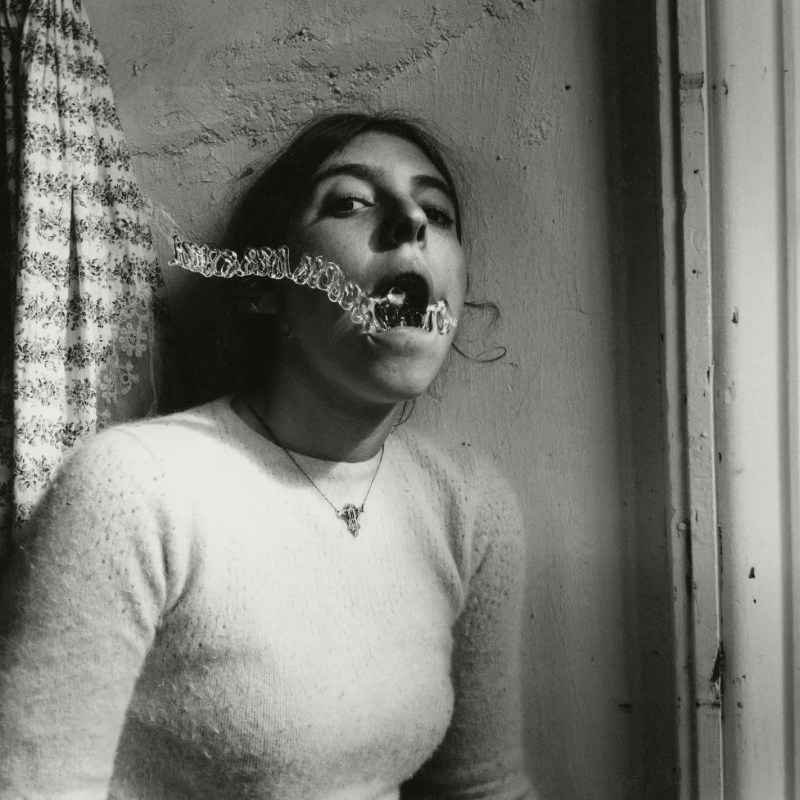
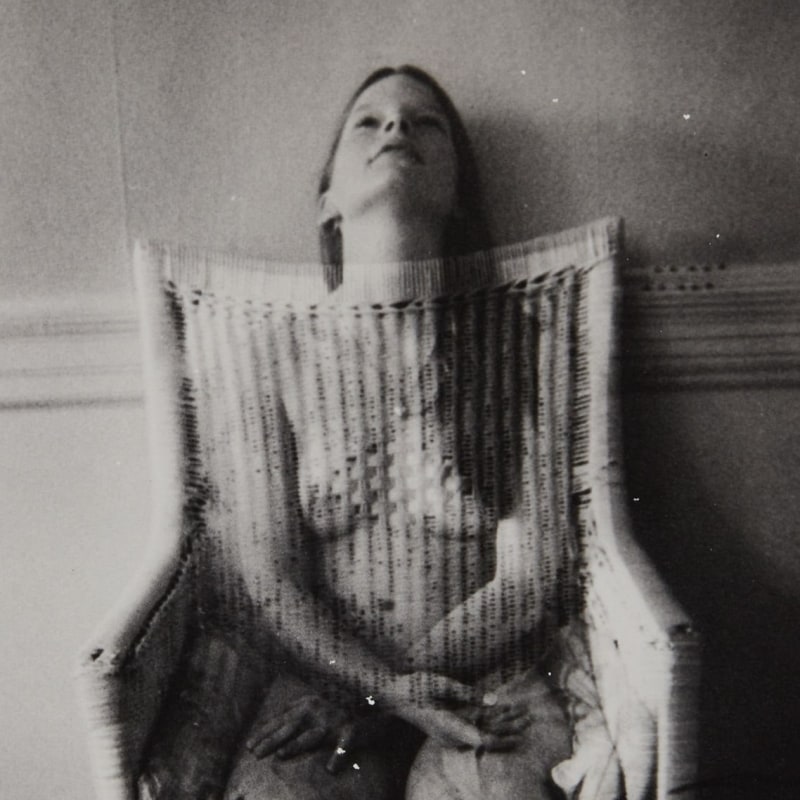
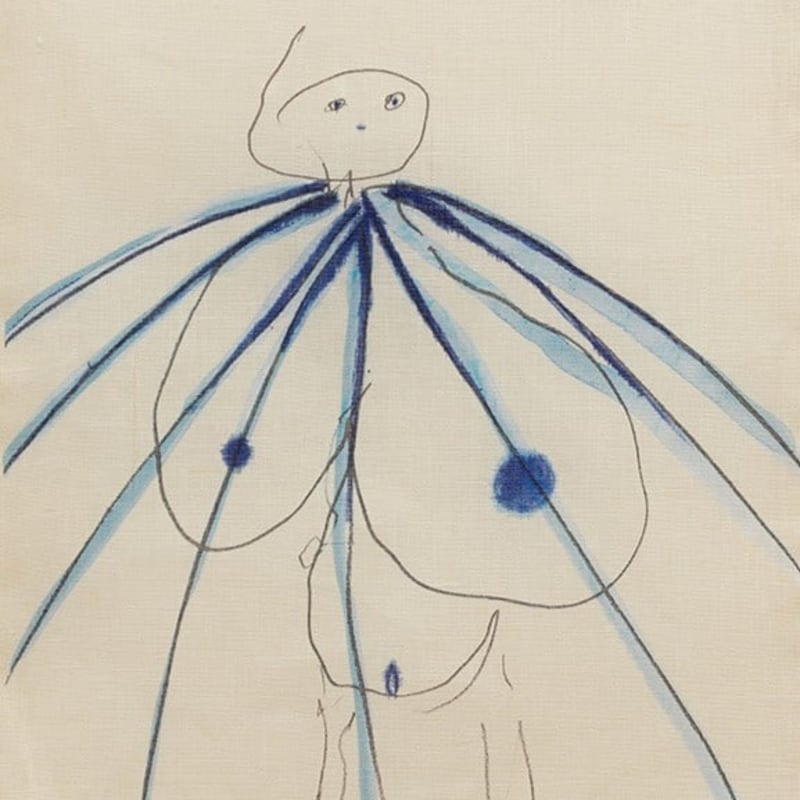
This lineage extends into the practices of other artists who have embraced melancholia as a generative force. Louise Bourgeois (1911 - 2010), for instance, spent decades returning to memory, grief, and psychological pain as core material, transforming personal trauma into acts of emotional excavation through drawing and sculpture. Francesca Woodman (1958 - 1981), working primarily through photographic self-portraiture, approached similar themes more quietly, using her own body as a fragile, often blurred or fragmented presence suspended between visibility and disappearance. Emin, as well as Bourgeois and Woodman, understands vulnerability as a means of confronting love, loss, identity, and the inner life.
|
|
|
|
Francesca Woodman
Self-portrait talking to Vince
|
|
|
|
Tracey Emin
Hurt Heart (from A Journey To Death)
|
|
Tracey Emin
After the Shadow
|
|
|
Across these practices, melancholia emerges not as weakness but as a lens. It invites introspection and a closer engagement with our private worlds. To dwell in these blue spaces is to witness; to acknowledge and honour the full spectrum of feeling that shapes our inner lives. There is an intimacy in recognizing sadness, and a quiet courage in sitting with one’s own emotions without immediate escape.
|
|
|
|
Tracey Emin
Life Will Never Be The Same (Nor Should It) (from A Journey To Death)
|
|
Tracey Emin
The Best Conversation I Ever Had – Laughter (from A Journey To Death)
|
|
|
|
Francesca Woodman
Untitled (seated nude double exposure)
|
|
Louise Bourgeois
The Fragile
|
|
|
This January, as the winter light remains low and the days feel long, Emin’s work reminds us that there is value in introspection. By embracing melancholia, we reconnect with ourselves: our histories, our desires, and our capacity for empathy and reflection. Sometimes, the most profound encounters are not outward at all, but with our own unguarded hearts. |
|
|
Follow us on Social Media |
|
|
|