From Canvas to Porcelain: Echoes of Las Meninas
|
|
The Infanta, the Queen, and the spaces between seeing and being seen.
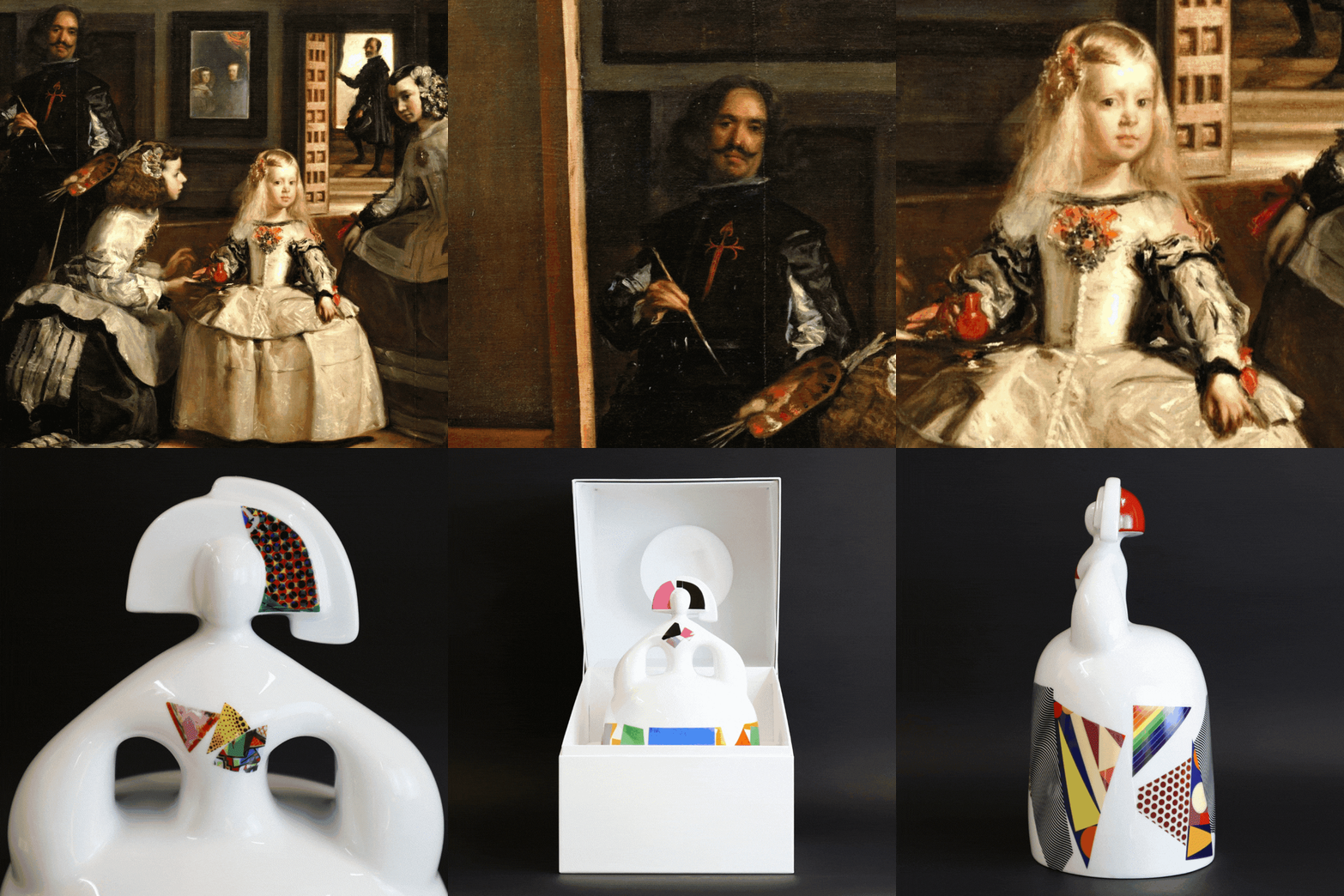
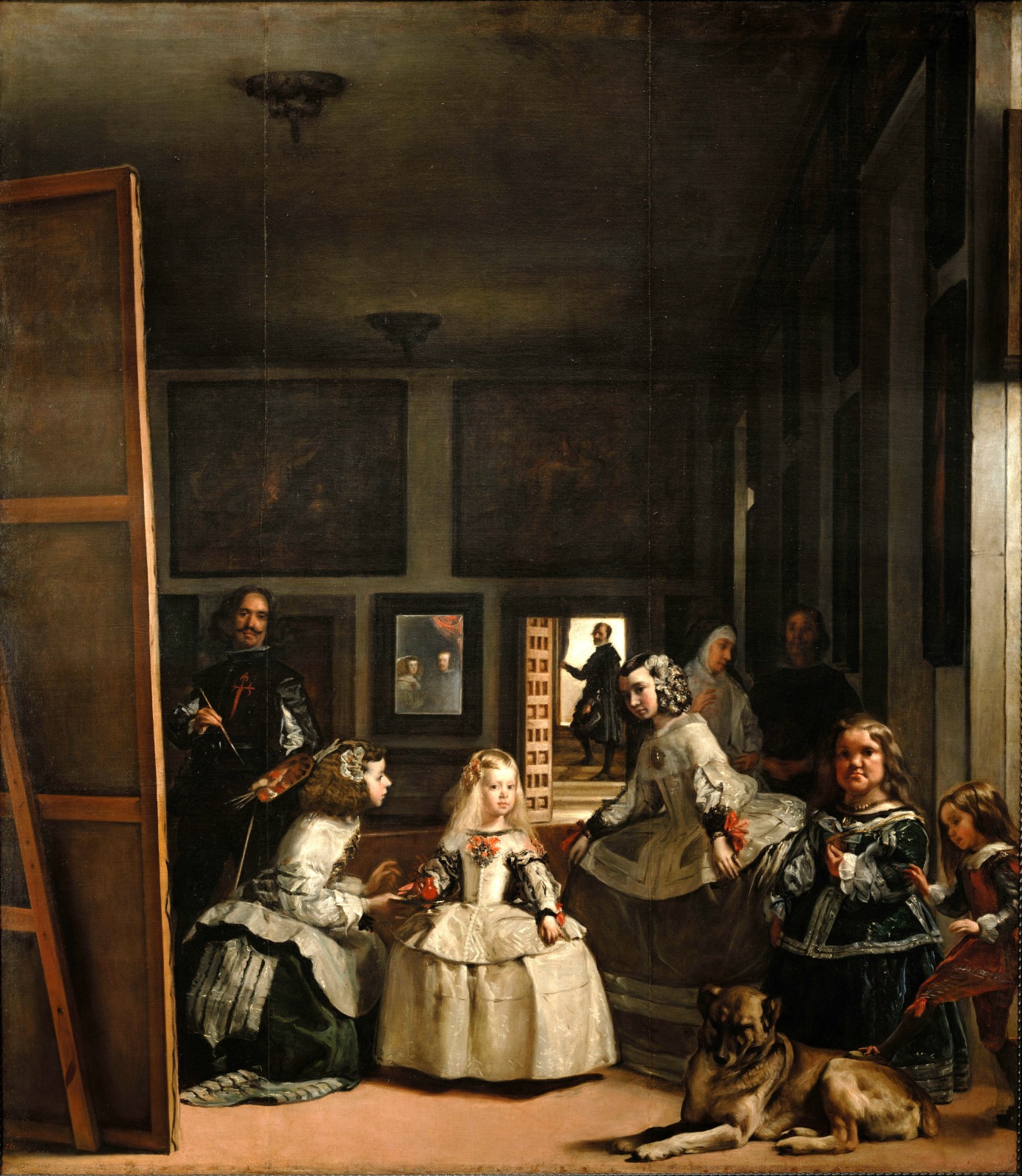
Diego Velázquez’s (1599-1660) Las Meninas (1656) resists a single reading: portrait and mise-en-scène, painting and mirror, painter and spectator all fold into one another. At its centre stands the Infanta - the sovereign’s daughter - poised and luminous; around her, attendants, portraits, and an open doorway complicate who is looking and who is looked at. For centuries the painting has been a stage for questions about authorship, presence, and the relationship between image and power.
In Las Meninas, who is looking at whom?
Who is being portrayed?
Who, ultimately, is the image for?
These questions have echoed across centuries, and it is precisely this layered ambiguity that animates the work of Manolo Valdés (b. 1942).
|
|
|
Discover our Valdés Collection: |
|
|
Diego Velázquez, Las Meninas, 1656. Madrid, Museo del Prado.
|
|
|
A silhouette drawn from the Baroque
|
|
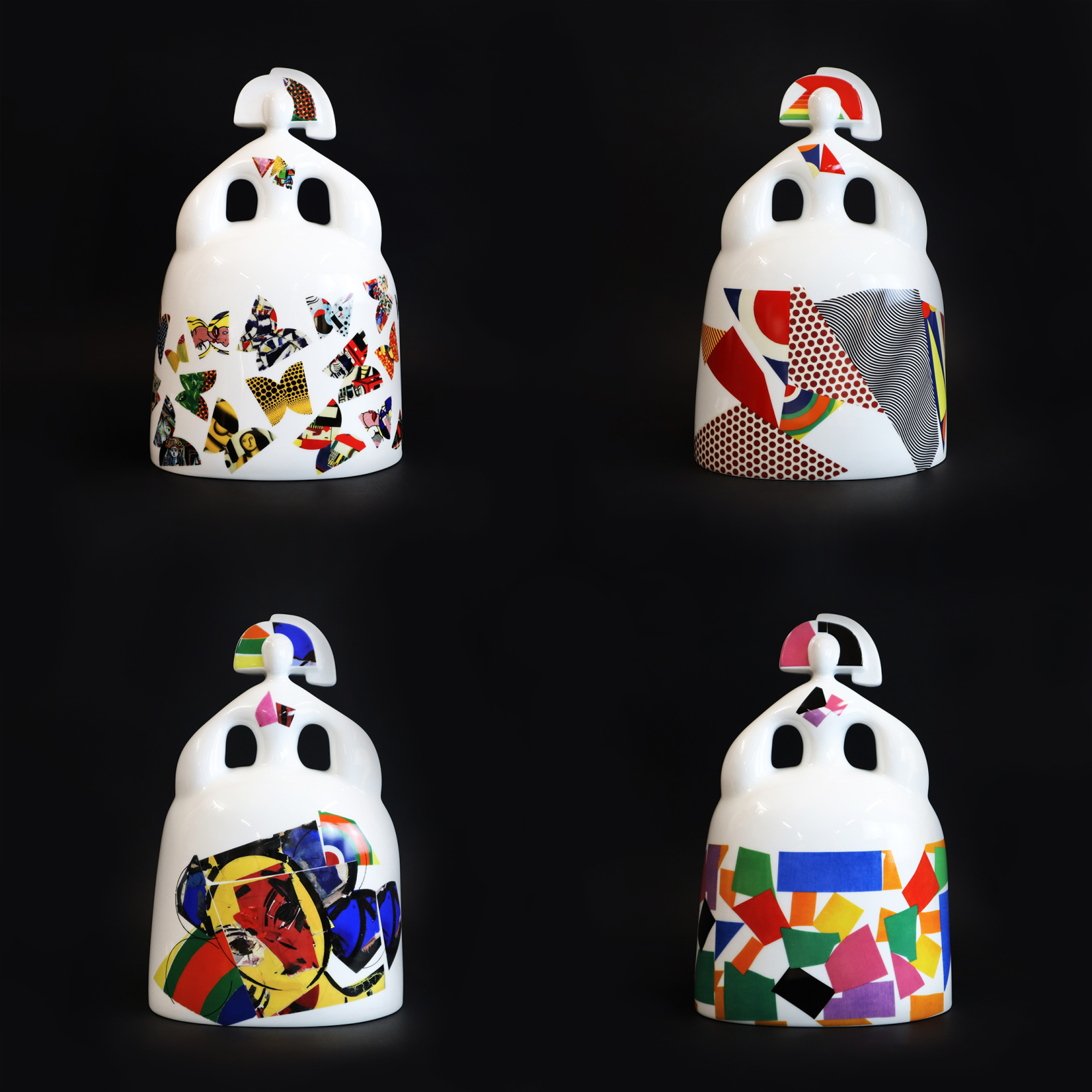
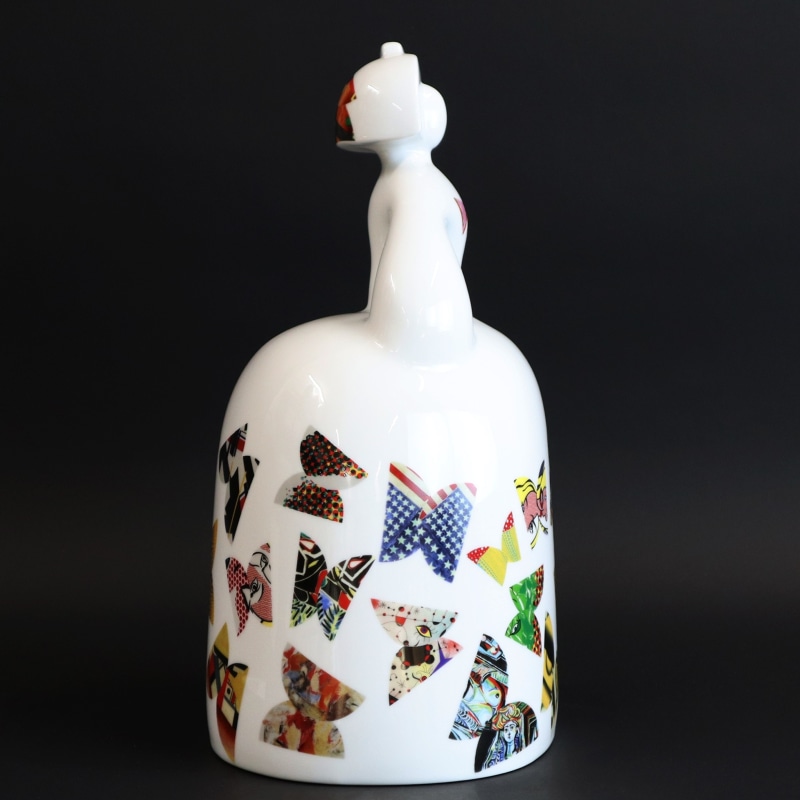
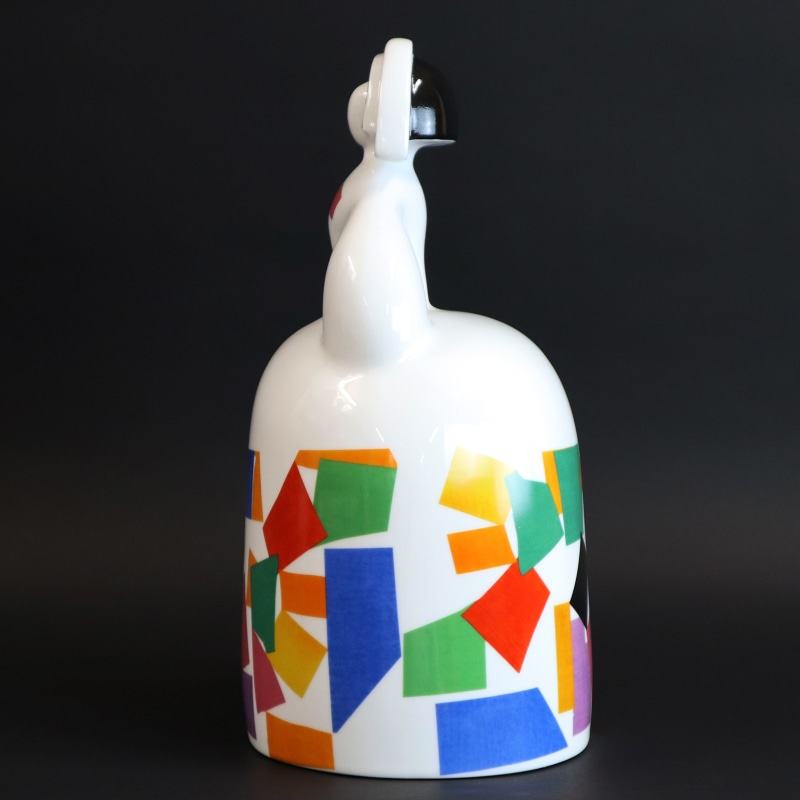
Among Valdés’s recurring motifs, none has been as iconic as the Infanta. His sculptural silhouette distils her to pure volume and line: a wide skirt, a poised posture, a regal stillness. In the Reina Mariana (Las Meninas) (2022) porcelain sculptures, Valdés presents this archetypal figure in four identical forms, each distinguished only by its surface decoration. The result is a quiet contemporary court - the same timeless silhouette embodied four times, each with its own subtle inflection. The medium of porcelain, long associated with refinement and the rituals of courtly life, becomes a fitting conduit: luminous, fragile, and historically charged.
|
|
|
Reina Mariana Set of 4 (Las Meninas) |
|
|
One title, many questions
|
|
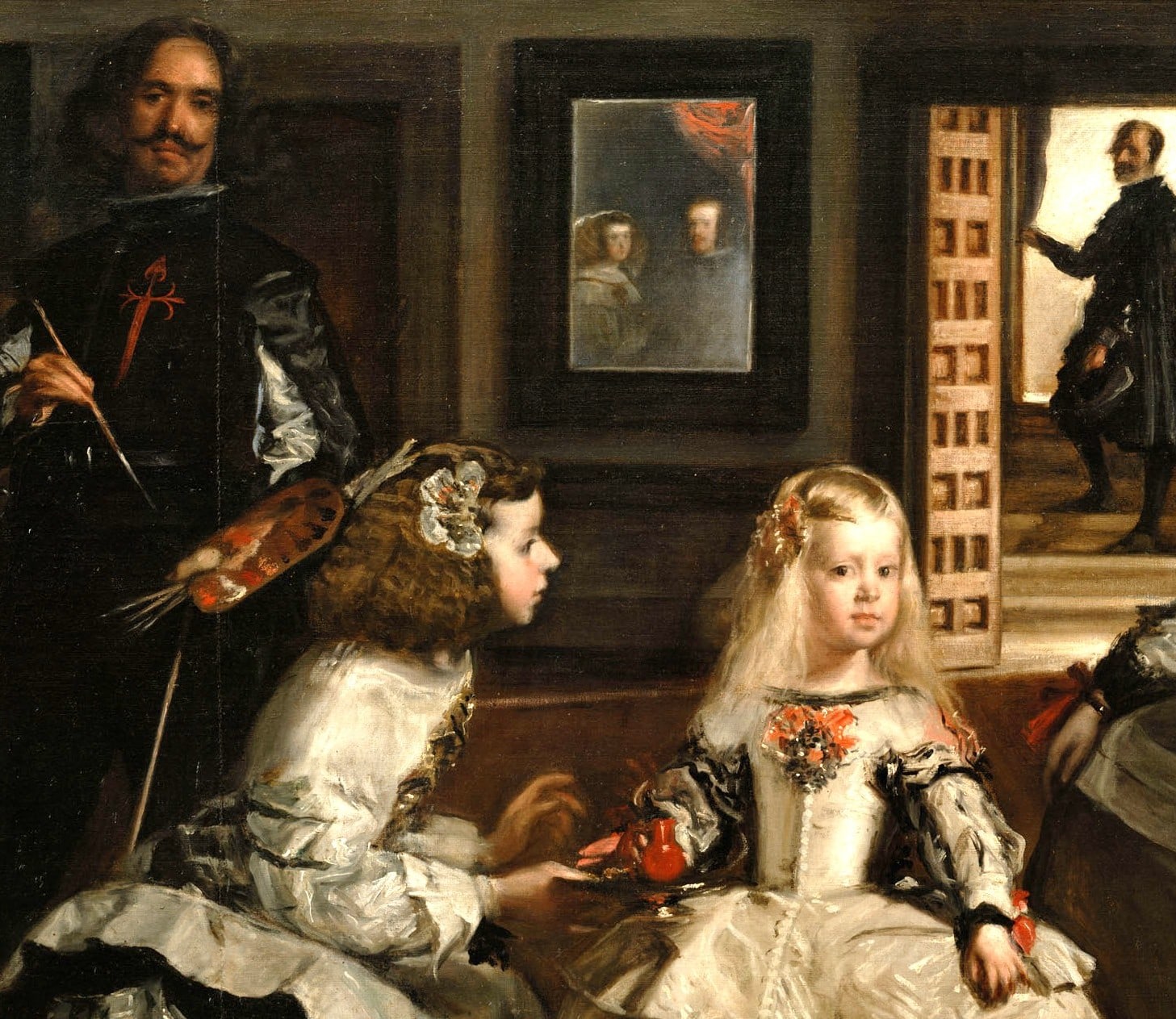
Although the figure unmistakably resembles the Infanta, Valdés titles the series Reina Mariana (2022). The name belongs not to the child at the centre of Velázquez’s composition, but to her mother - the queen. This choice invites a reading that echoes the ambiguities of Las Meninas (1656) itself. In Velázquez’s painting, the royal couple appears only as a reflection, positioned outside the canvas yet central to its logic. Some interpretations argue that the king and queen may be the true subjects, the invisible viewers for whom the scene unfolds.
Valdés’s title can be understood as a gesture back to this puzzle: a subtle suggestion that identity in Las Meninas (1656) is fluid, that roles shift, that the viewer is never entirely certain whose image is being constructed or remembered.
|
|
|
Diego Velázquez, Las Meninas (detail), 1656. Madrid, Museo del Prado.
|
|
|
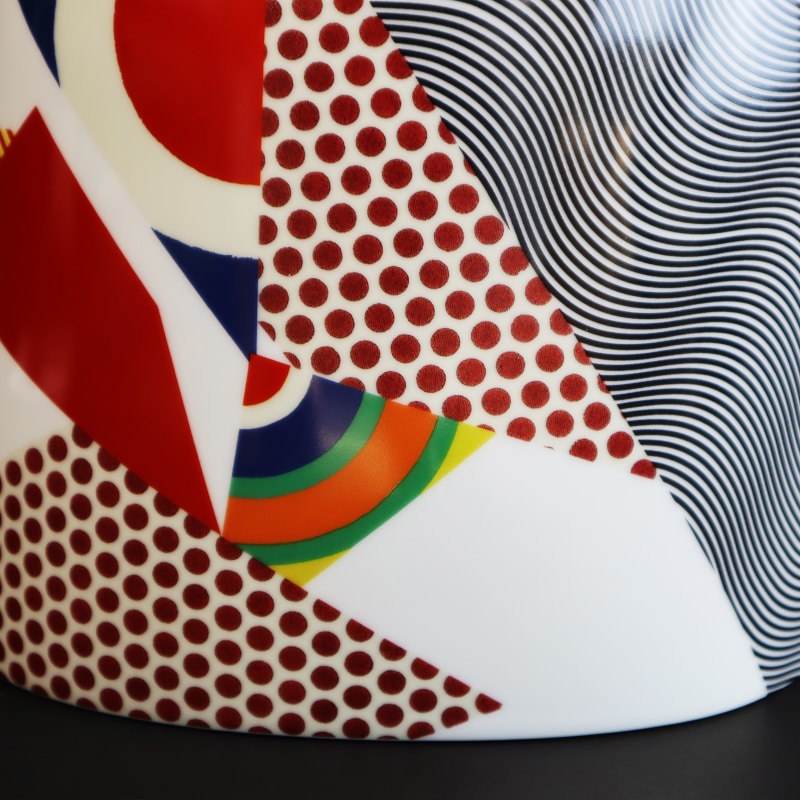
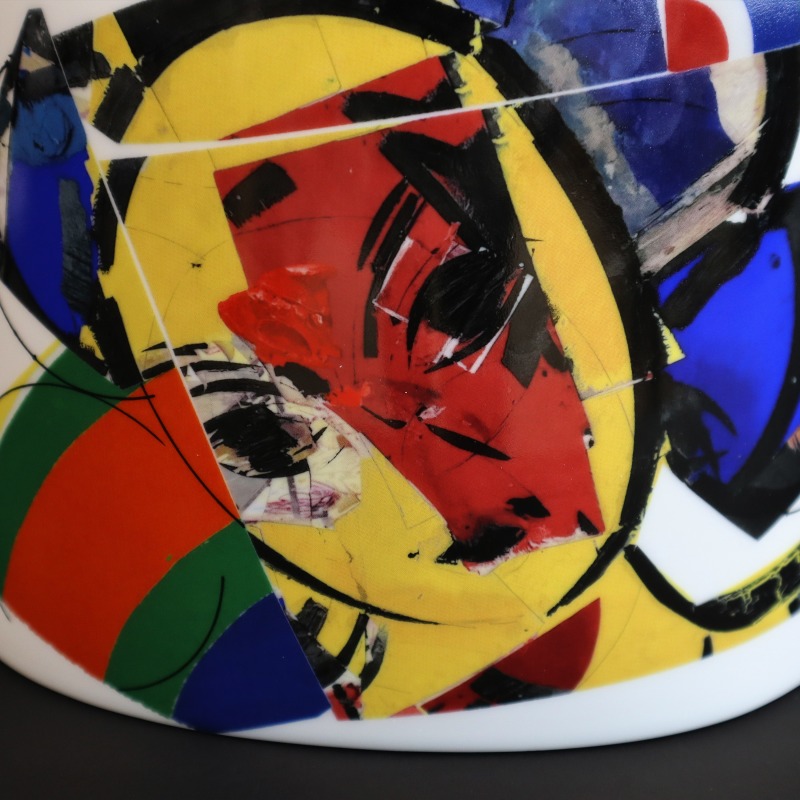
The porcelain medium deepens the dialogue: its refinement and fragility resonate with courtly imagery, while the glazed surfaces become a canvas for Valdés’s painterly citations. Presented as a set, the four figures form a compact court: identical in silhouette yet distinguished by their decorations.
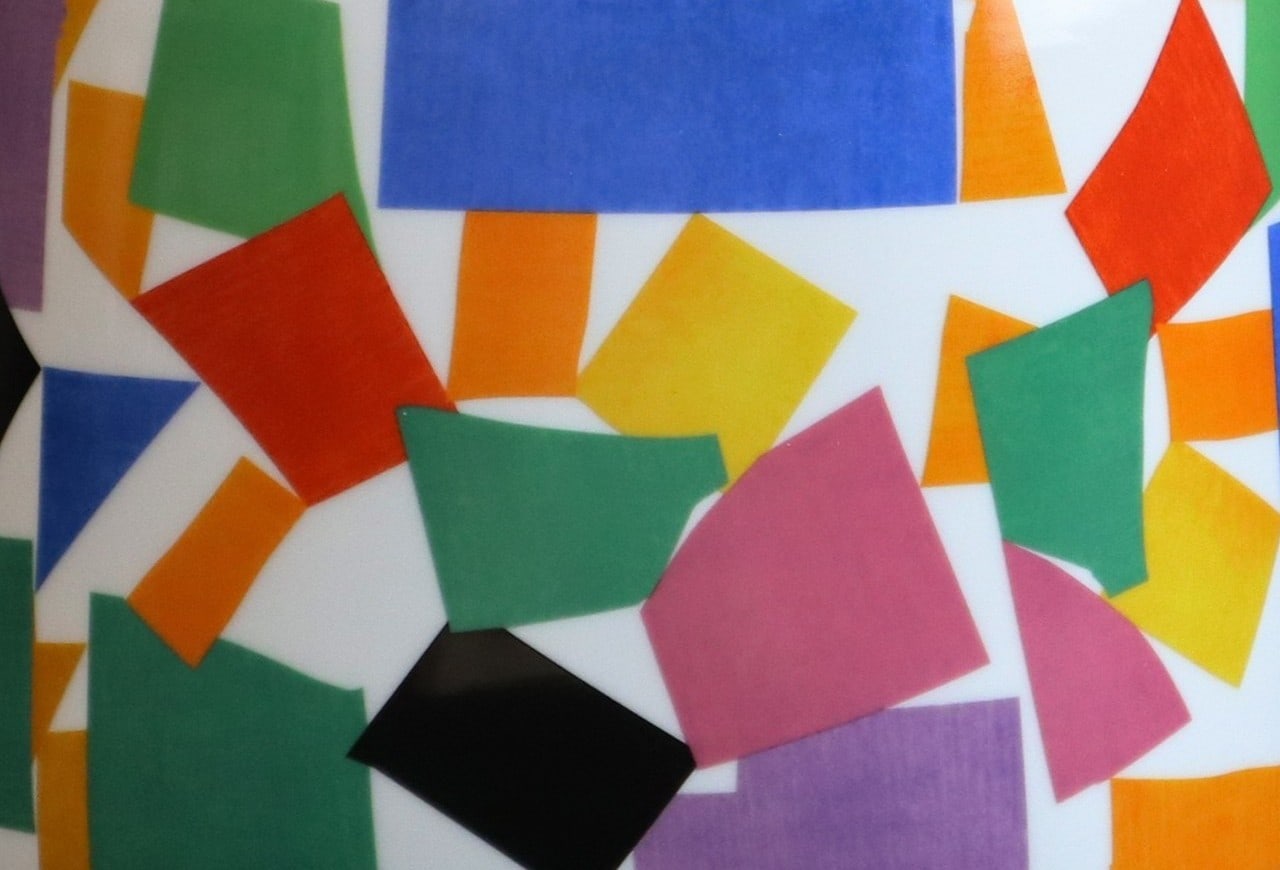
Taken individually, each figure offers a singular encounter; together, they invite comparison, memory, and reflection. Valdés’s decorative approach amplifies this dialogue: the surfaces of the Infantas draw freely from the icons of modernity, echoing the vibrant gestures of Joan Miró, Willem de Kooning, Sonia Delaunay, Fernand Léger, Roy Lichtenstein, and even Valdés’s own earlier work. These references layer contemporary artistic history atop the Baroque silhouette, creating a compact court in which past and present converse, where history is both honored and reimagined, and where each decoration adds a subtle, resonant meaning to the figure it adorns. |
|
|
|
Manolo Valdés
Reina Mariana I (Las Meninas)
|
|
Manolo Valdés
Reina Mariana II (Las Meninas)
|
|
|
|
Manolo Valdés
Reina Mariana III (Las Meninas)
|
|
Manolo Valdés
Reina Mariana IV (Las Meninas)
|
|
|
At Weng Contemporary we are pleased to share this layered project by Valdés: less a reproduction than a continuing conversation with one of painting’s great mysteries.
Should you wish to look closer, reflect together, or uncover more about these pieces, we would be glad to continue the conversation on a call. |
|
|
Follow us on Social Media |
|
|
|