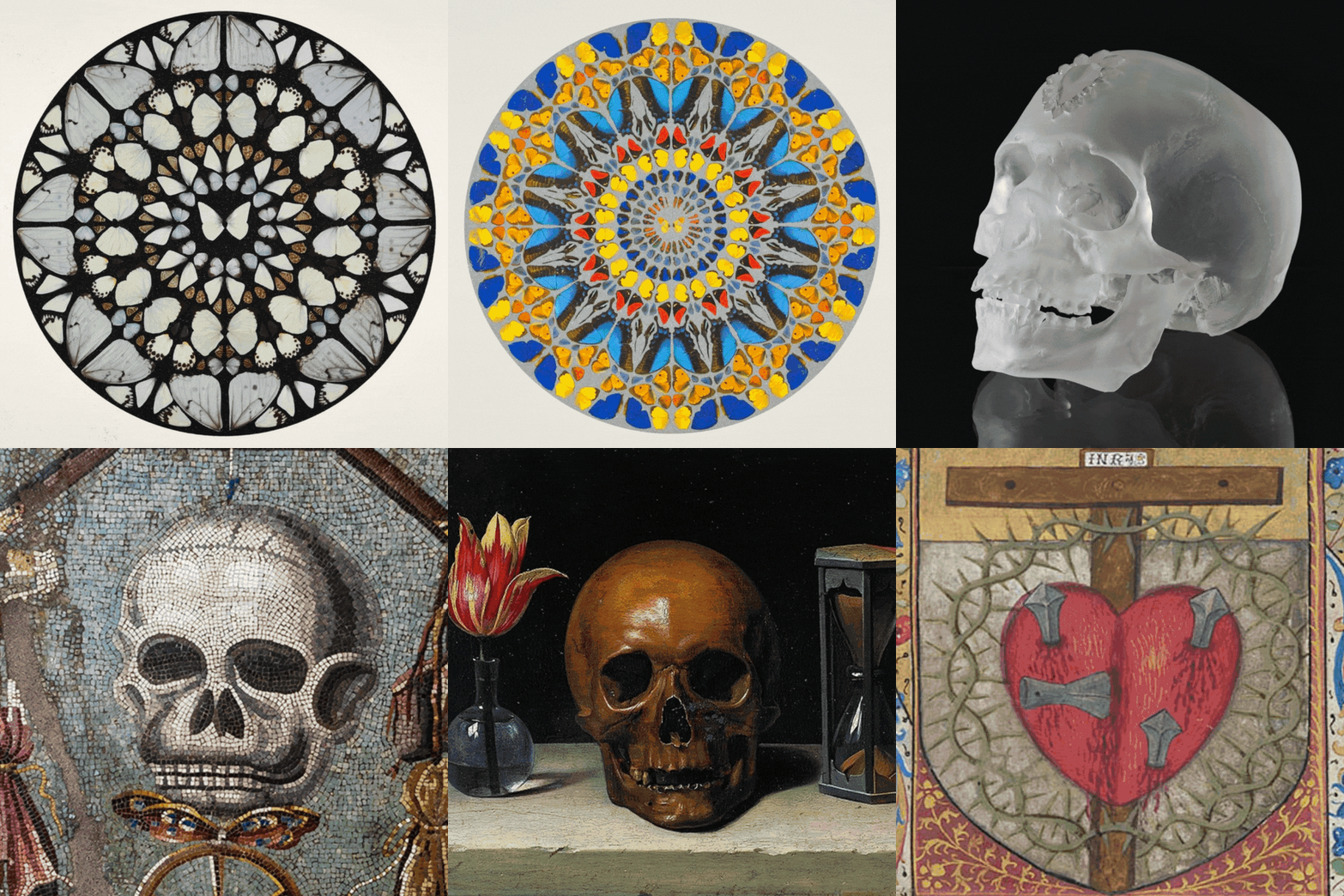
Postmodern Sacred:
Damien Hirst and the Resurrection of the Icon
|
|
When belief feels fragile, what does it mean to treat something as sacred?
In early Christian iconography - whether in medieval cathedrals, the Byzantine tradition, or Flemish and Renaissance painting - the sacred was a matter of stone and light, of image and faith. An icon was not simply seen; it was venerated, a window into the divine. Artists placed saints in altarpieces and carved skulls not to shock, but to remind the faithful of eternity. Gold leaf, flattened space, and glowing surfaces revealed another world. These weren’t mere artworks, they were objects of devotion and conduits for transcendence.
Damien Hirst’s (b. 1965) work takes up this visual theology but refracts it through a postmodern lens. His skulls, crosses, and rose windows aren’t literal icons, but they behave like them: fixed, symmetrical, silent, drawing the viewer into stillness. And yet, the materials - crystal, resin, diamond dust - remind us that this is not faith, it's form. These are postmodern icons: images that borrow the authority of the sacred while hollowing it out, reframing it, or, perhaps, resurrecting it.
|
|
|
Discover the whole Collection: |
|
|
From Cathedral to Kaleidoscope |
|
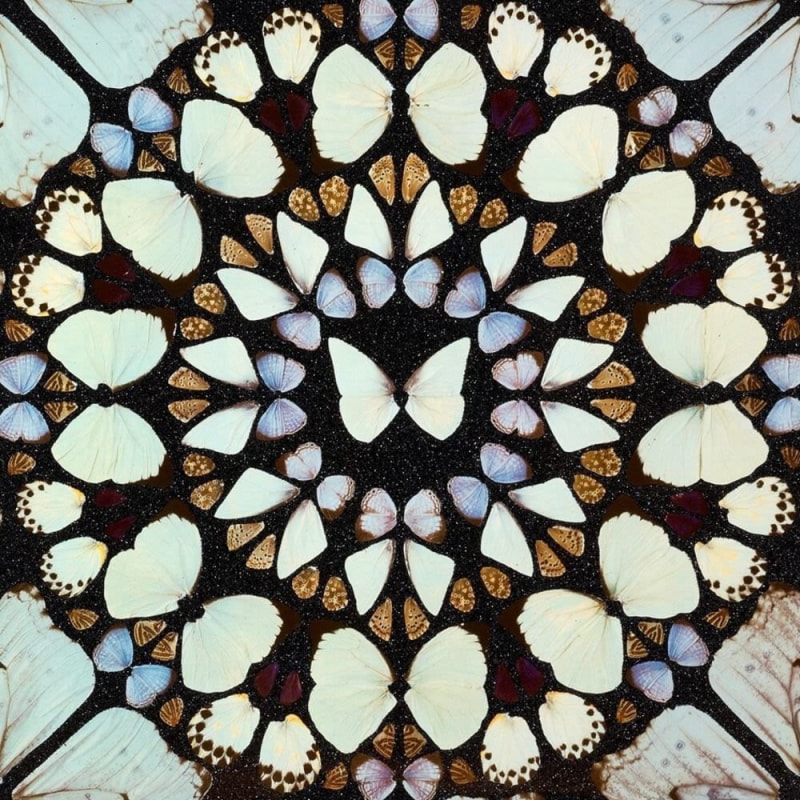
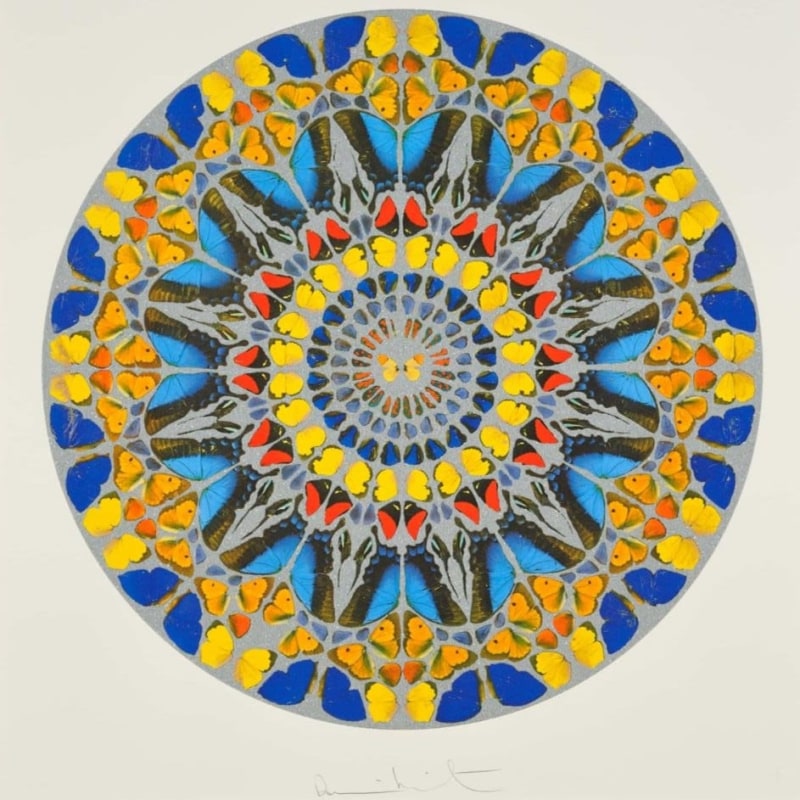
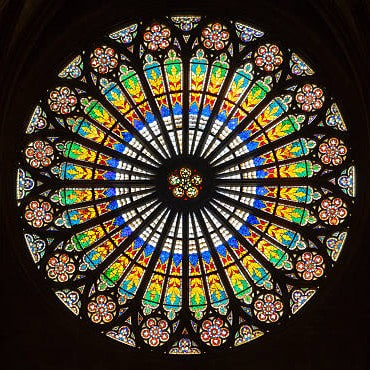
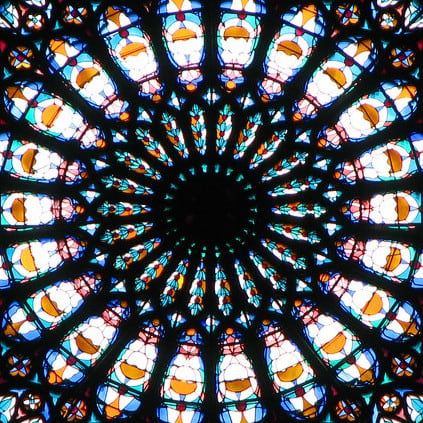
In his Psalms series (2008–2015), Hirst appropriates the radial symmetry of Gothic rose windows, replacing stained glass with a kaleidoscope of butterfly wings and shimmering diamond dust. The effect is both devotional and decorative, evoking the divine order once conveyed through geometry and light. Yet these works glitter with a synthetic glamour, like spiritual simulacra for the Instagram age. Is this still sacred art? Or is it the memory of the sacred made material, collectible, and quietly haunting?
|
|
|
|
Damien Hirst
Benedictus Dominus (Psalm)
|
|
Damien Hirst
Confitebor Tibi
|
|
|
|
Johannes Gerlach von Steinbach, known as Master Gerlach
Interior of the rose window at Strasbourg Cathedral
|
|
Andrea di Cione Arcagnuolo, known as Orcagna
Interior of the rose window at Orvieto Cathedral
|
|
|
Ghost of an Icon: The Transparent Cross
|
|
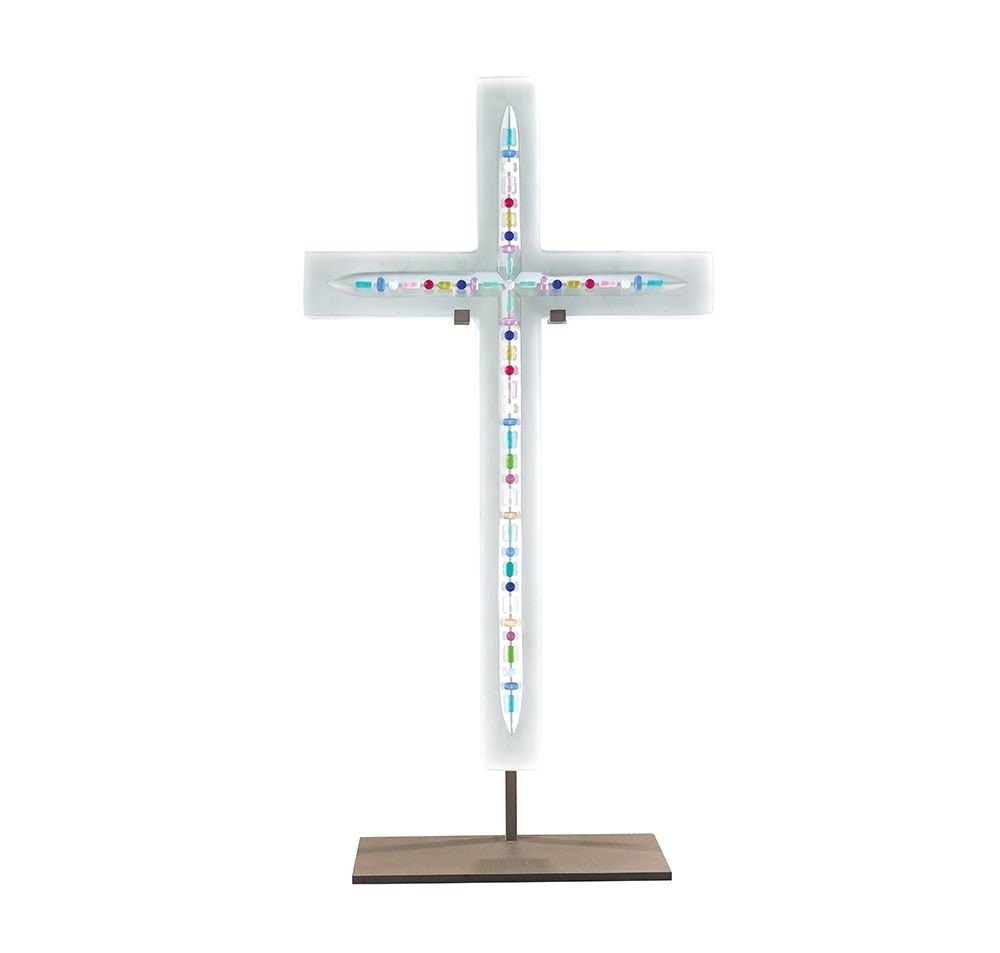
Eternal Belief (Crystal Clear) (2017) evokes the oldest Christian icon: the cross. But this is no crucifix. There is no figure, no martyrdom. A form without flesh - transparent, pristine, floating. It does not depict belief; it transforms it into structure. Yet it’s also a ghost of itself: a cross emptied of content, perhaps suggesting faith now defined more by shape than by certainty. What remains when the icon no longer points to the divine? Can the form still hold power?
|
|
|
Eternal Belief (Crystal Clear) |
|
|
Skulls of Light and Shadow
|
|
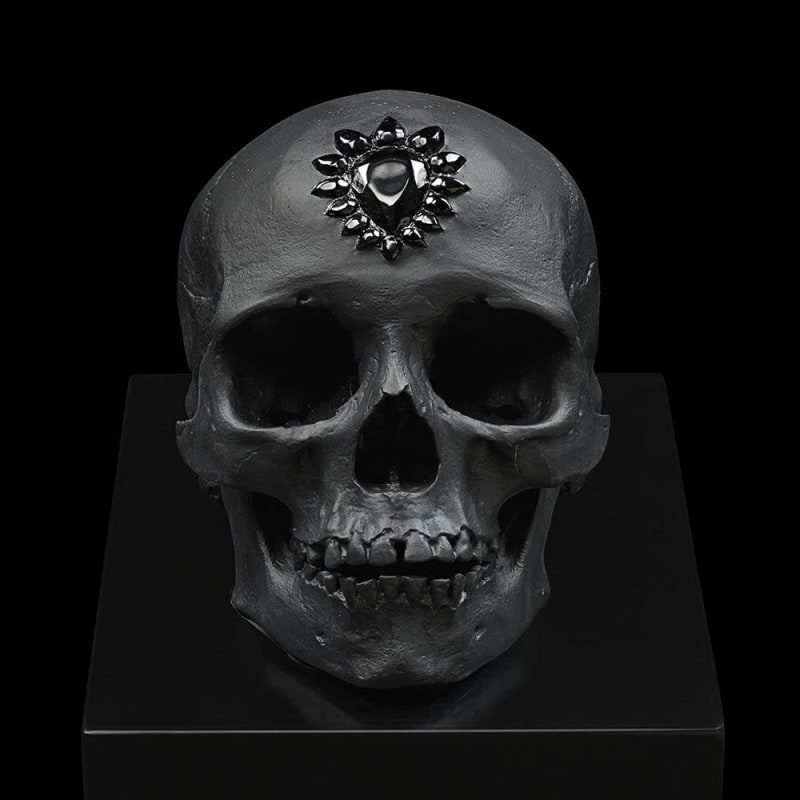
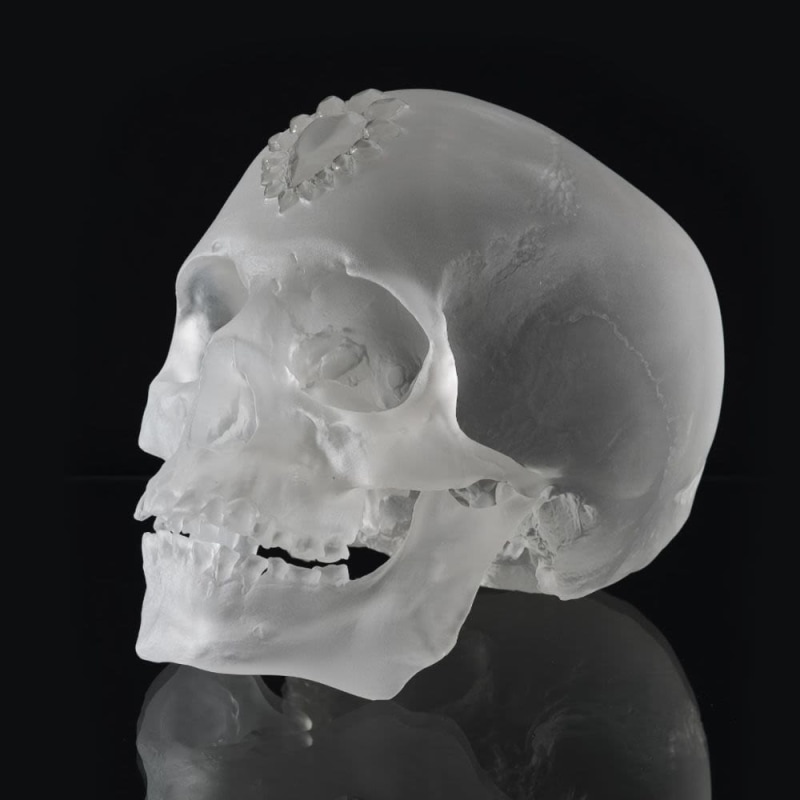
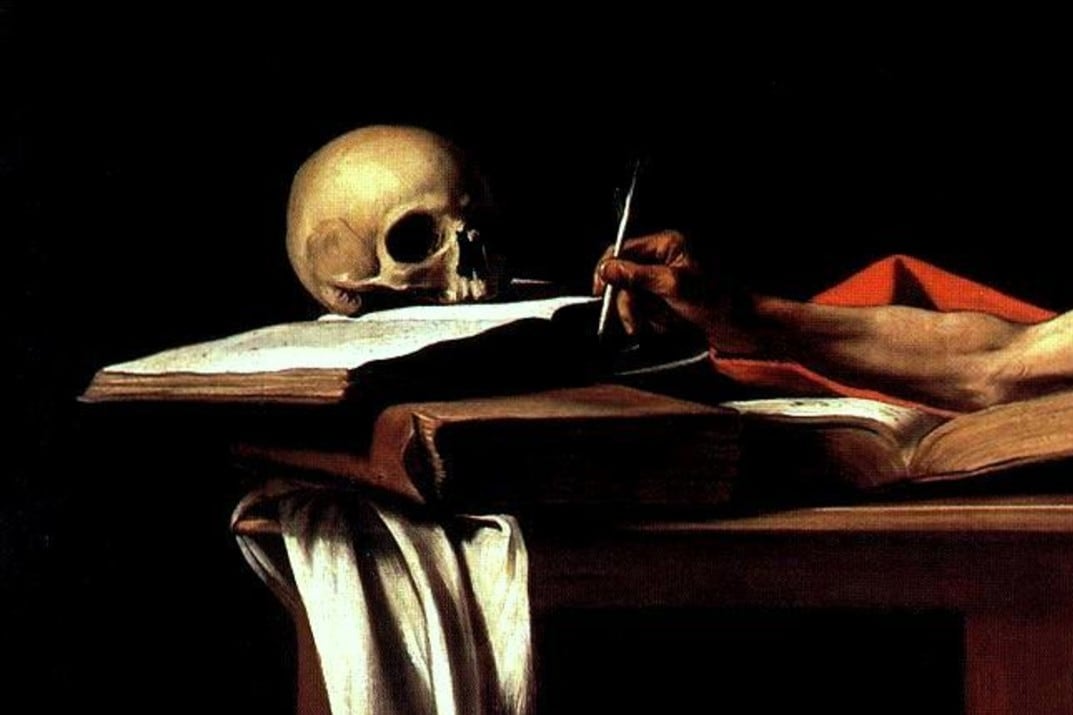
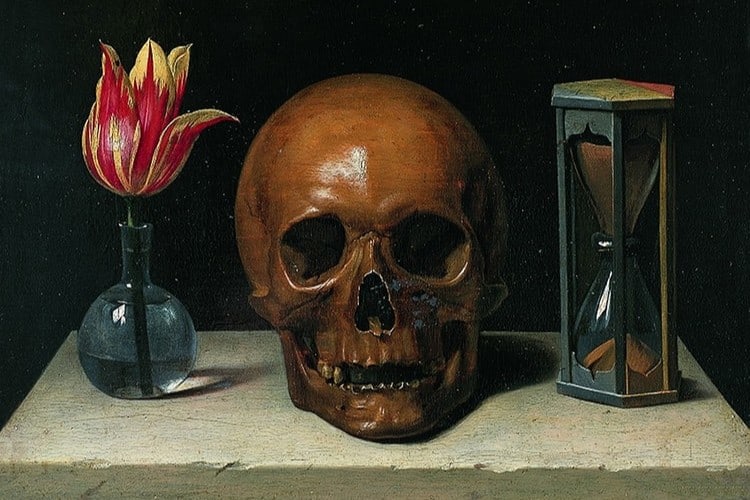
Death is one of Hirst’s most enduring themes, frequently represented through the skull, an age-old symbol in religious iconography. These are Hirst’s "vanitas": icons of mortality, rendered not in bone but in luxurious, crystalline clarity. In Christian iconography, the skull often appears at the foot of the cross as a “memento mori”, a solemn reminder of the fate that awaits us all. Hirst’s skulls are modern relics: made glimmering, seductive, collectible. They challenge us not only to reconsider what “sacred” means today, but also to confront what it means to aestheticize death in an era marked by violence and superficiality.
|
|
|
|
Damien Hirst
Eternal Sleep (Black)
|
|
Damien Hirst
Eternal Sleep (Satin Crystal Clear)
|
|
|
Michelangelo Merisi, known as Caravaggio |
|
Saint Jerome Writing (detail) |
|
|
The Sacred Heart Reimagined |
|
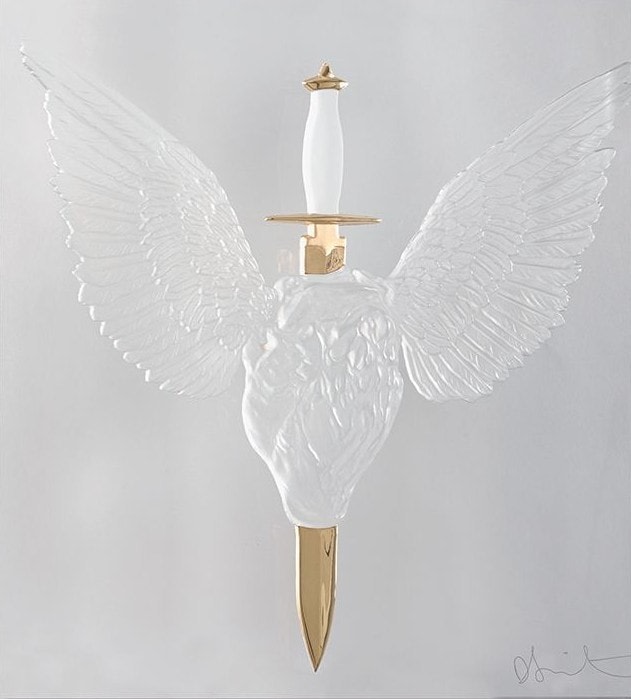
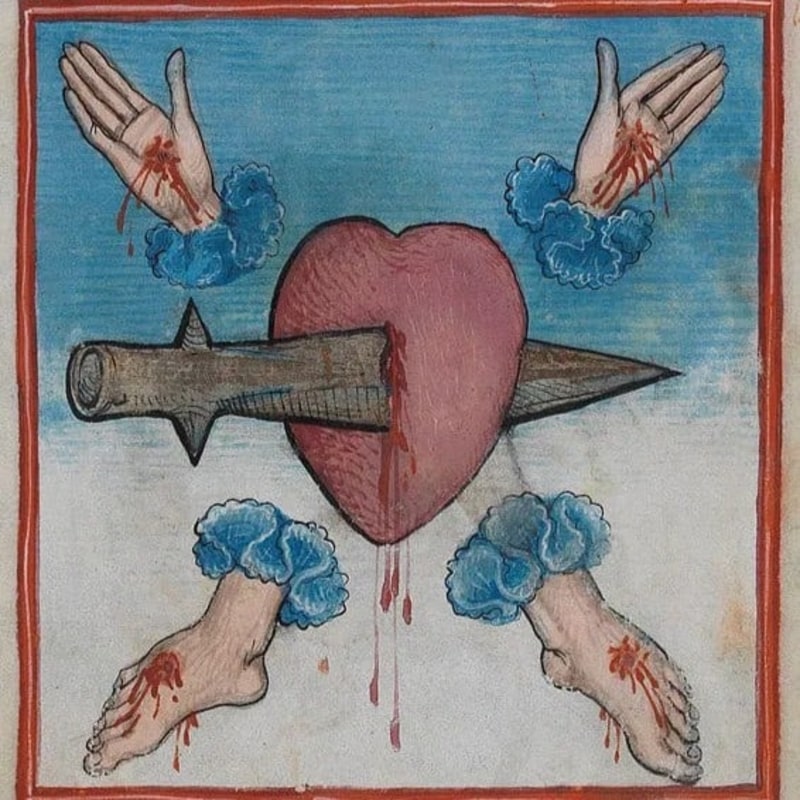
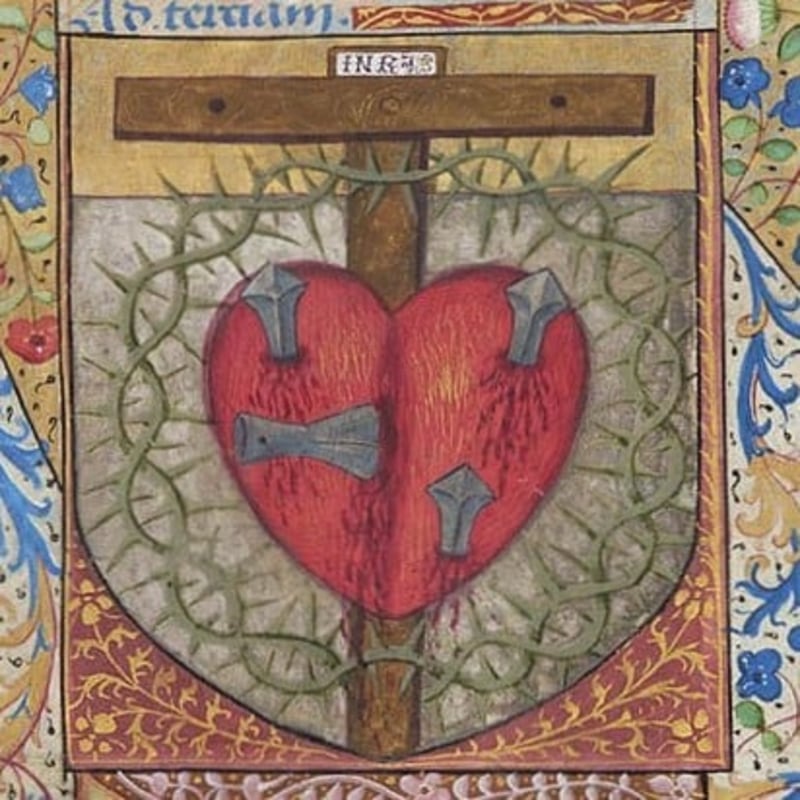
With Eternal Prayer (Clear/Gold) (2017), Hirst reinvents the pierced heart, one of the most intimate Christian icons: the Sacred Heart of Jesus, symbol of divine suffering and mercy. Here, the heart becomes contemporary iconography, stripped back to geometry and tension. It’s still a centre of feeling. But there’s no blood, no flames, no sentiment. Just transparency, precision, gold. The pain is there but, it’s stylised and controlled.
|
|
|
Eternal Prayer (Clear & Gold) |
|
|
|
Anonymous author
Wounds of Christ, detail from the Waldburg Prayer Book, WLB Stuttgart, Cod. brev. 12, fol. 11r.
|
|
Follower of Jean Pichore
Sacred Heart, detail from Book of hours, Ms. Pierpont Morgan Library, M.7 fol. 24r.
|
|
|
These editions are not ironic. They are not blasphemous. They are studies in transformation: how symbols survive, how faith becomes form, how the sacred persists even when belief fades.
Is beauty itself a kind of worship? Can we still feel awe in the presence of material objects? Is the sacred now something we build, not for gods, but for ourselves? Hirst’s works do not answer these questions, but they invite you to sit with them. In this sense, they’re sincere in their ambiguity. They are icons for the age of image: polished, haunting, unresolved.
|
|
|
If something here lingers with you - an image, a question, a shimmer of meaning - we’d love to talk. Whether you're looking for the right piece or just want to explore the art a little further, we're here. |
|
|
Follow us on Social Media |
|
|
|